Designing the Conditions for UK’s Innovation
In November 2025, Ecosystem Exchange returned to Edinburgh with a clear intention of not hosting just another conference, but creating a space where ecosystem builders could brainstorm together about what is actually shaping the UK’s innovation trajectory.
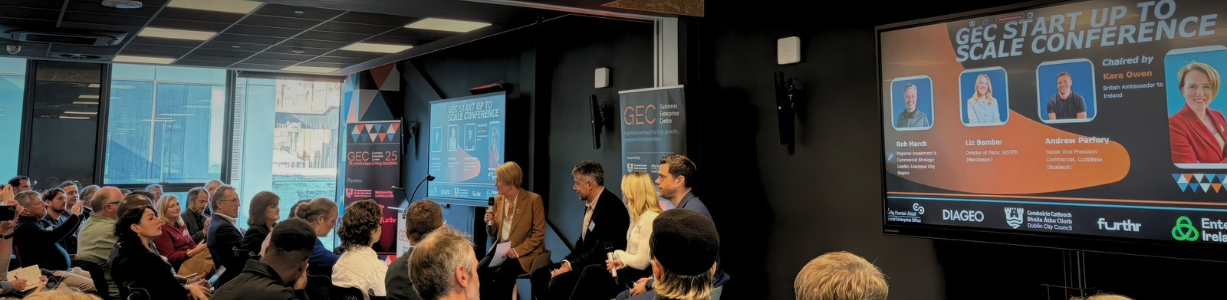
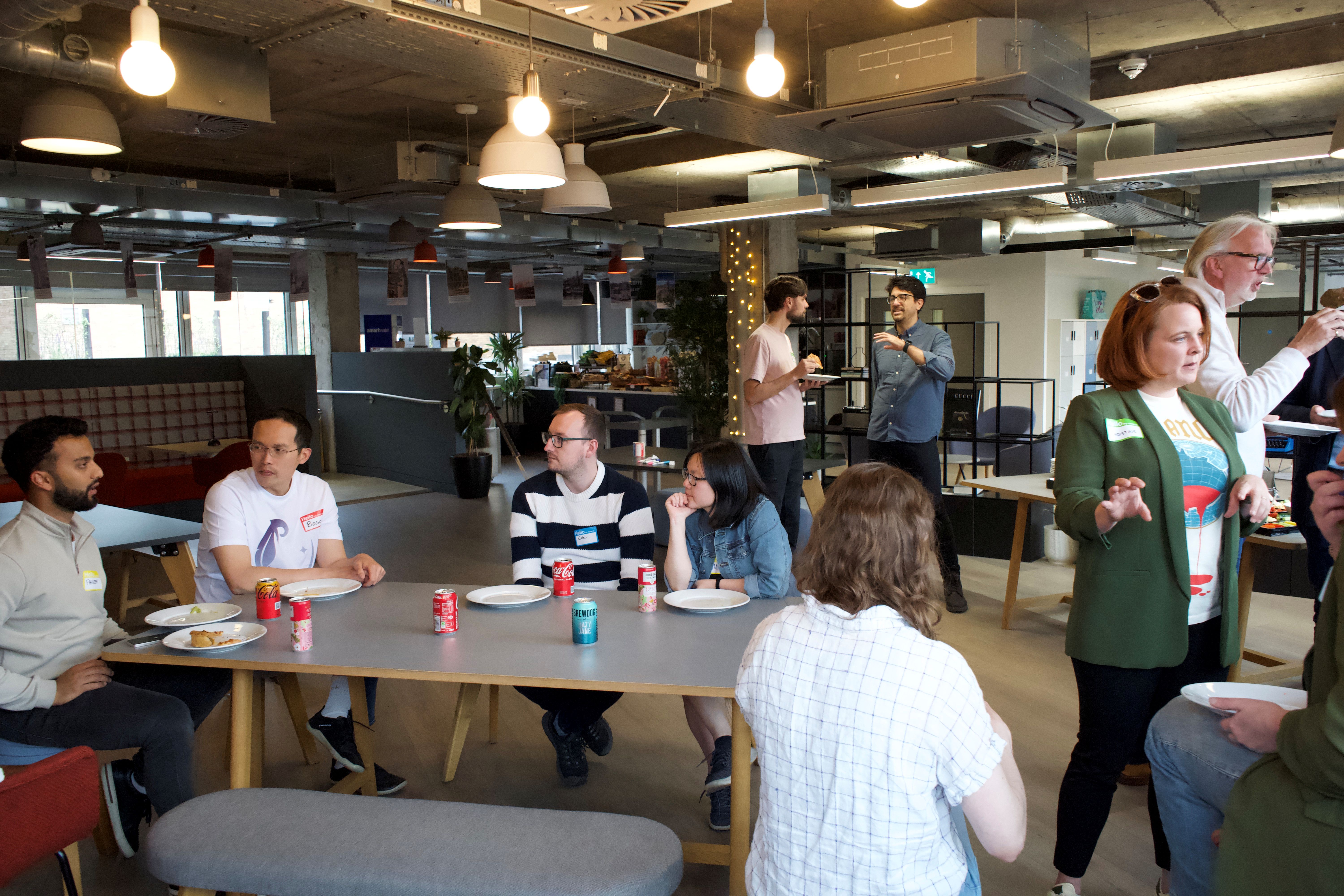
Across two days at the Edinburgh Futures Institute, leaders from universities, investment, government, corporates and delivery organisations gathered to interrogate the systems behind startup success. The focus was on founders, yes, but also on the structures, incentives, relationships and hurdles that determine whether ideas scale or stall.
The general consensus that emerged was that the UK does not lack talent and research depth. What it lacks is cohesiveness. That conversation unfolded in a room that included contributors from CodeBase, Barclays Eagle Labs and the Edinburgh Futures Institute, alongside voices from institutions such as the University of Oxford, the University of Edinburgh, Google, Antler, Plexal, Opportunity North East and Maria 01. Strong initiatives operate across regions and sectors, but too often in parallel rather than in concert. The challenge therefore is no longer generating activity. It is connecting it.
Why this conversation matters now
The pace of technological change is accelerating, particularly in AI. New company models are emerging that rely on data fluency, computational readiness and rapid iteration from day one. Many of the support frameworks that served earlier generations of software companies are no longer fit for purpose.
At the same time, universities remain one of the UK’s greatest unrealised economic assets. World class research continues to flow, yet pathways from discovery to deployment remain slow, fragmented and unevenly supported.
These pressures are converging. Ecosystem builders are being asked to deliver more impact, faster, while navigating funding constraints, policy complexity and rising founder expectations.
Ecosystem Exchange 2025 was convened against this backdrop to surface the right questions.
What surfaced across the room
While sessions ranged from keynotes to panels and interactive discussions, several signals cut across the two-day conference.
First, alignment has become a design problem rather than a philosophical one. Participants spoke less about intent and more about execution. Where do handovers break down? Where does duplication slow progress? Where do founders lose momentum navigating complexity?
Second, trust is emerging as a defining ecosystem asset. In an environment of abundant technology and capital, trust between institutions, founders and delivery partners increasingly determines speed and effectiveness.
Third, culture is no longer secondary. A new generation of founders expects ecosystems that are responsive and built around capability rather than geography.
These themes were explored through multiple lenses, including AI native company models, university commercialisation, national strategy and regional collaboration.
Signals that shaped the discussion
Several questions returned repeatedly during the two days:
- How can ecosystems support AI native companies without forcing them into outdated frameworks
- What does faster, more credible research translation actually look like in practice
- How do national strategies stay grounded in founder reality
- What structures enable collaboration without eroding accountability
These debates were far from abstract. They were a center of social proof with lived experience across regions and roles.
From conversation to clarity
Ecosystem Exchange was designed to create productive friction, encouraging debates and dissecting disagreement while challenging assumptions. This tension proved valuable for the overall takeaways.
Participants left with greater clarity about where the UK’s ecosystem needs to evolve and what role different contributors can play by building on domestic strengths with greater intentionality.
Our post-event report captures this thinking in full. It distils insights from across the programme and sets out the shared direction of travel that emerged.
What you can expect from the report
A synthesis of what ecosystem builders collectively surfaced when given the space to speak honestly, the report is intended for those building in the ecosystem, shaping policy, designing programmes, investing in growth or building support infrastructure. It offers perspective, rather than prescription, and is designed to remain useful beyond the moment.
If you are interested in how the UK can move from fragmented effort to connected execution, the full report is now available.
Download the Ecosystem Exchange 2025 report here.




.svg)