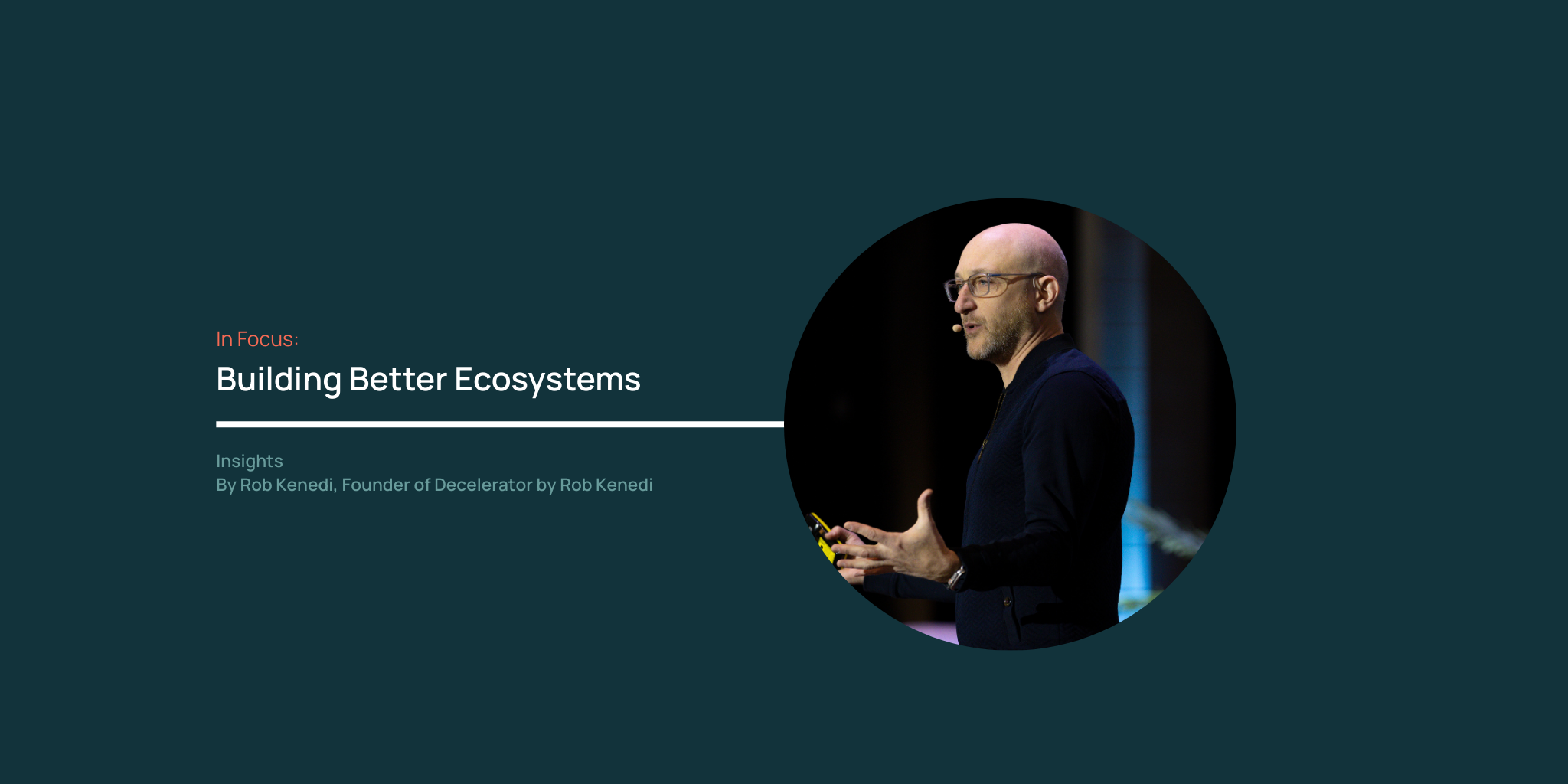
Building Better Ecosystems
What struck me at Ecosystem Exchange this year is how familiar the problems felt. Different accents and institutions, but the same core question everywhere: How do you build an ecosystem that works by design rather than by accident? It remains the real work, and the hardest.
We talk a lot about AI, but even that is ultimately a story we are still writing. The firehose is so relentless that even the people building the frontier models do not truly know where this is going. It is not the first time the hype cycle has pushed founders to staple buzzwords onto their ideas, and it will not be the last. The deeper question is one of intent. What problem are you solving? And does AI serve that problem, or are you retrofitting it for attention? Most companies are not building AI products. They are building products that happen to use AI, and that distinction matters, especially when trust is the real currency. Even the AI companies themselves are becoming commodities. Capital, distribution and compute increasingly outweigh brilliance alone. When models, tooling and infrastructure are interchangeable, differentiation does not come from access to technology. It comes from trust. In that environment, what founders choose to stand for and how institutions choose to behave become more important than the models they deploy.
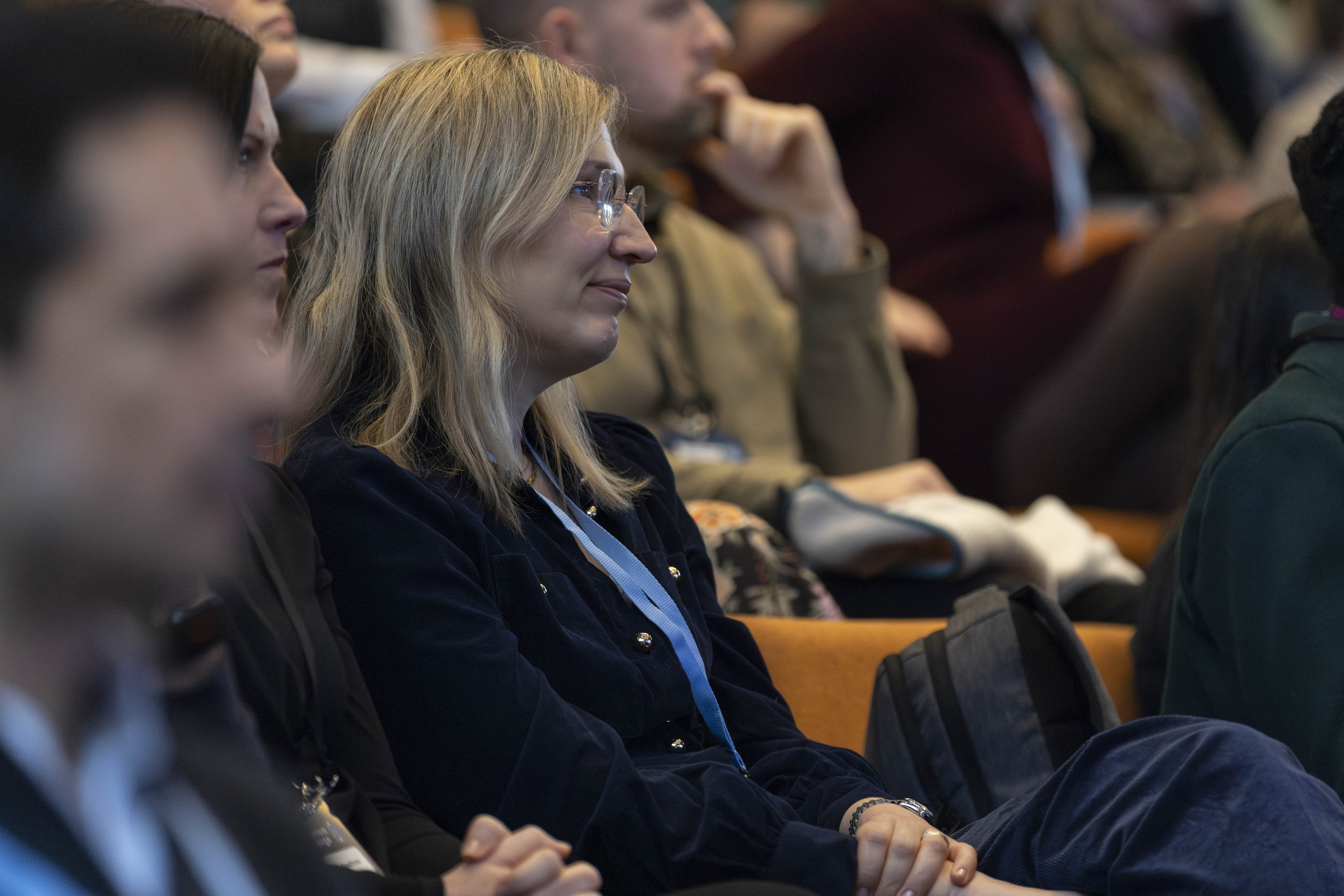
But the bigger theme, echoed throughout Edinburgh, is that ecosystems around the world rhyme far more than they differ. Whether in Scotland, Canada, Finland, or Australia, the challenges are strikingly similar: how to commercialise world-class research; how to connect universities, government, investors, and founders in ways that create real velocity; how to overcome deeply embedded cultural risk aversion; how to build ambition without importing Silicon Valley mythology wholesale.
The truth is that only a handful of startup ecosystems operate on entirely unique rules, and Silicon Valley and China sit in that category. Everywhere else shares far more with each other than with either of those centres. But that is not a weakness. It is an opportunity. Most regions are building under similar constraints: finite capital, limited talent density, and competing priorities. The ecosystems that will thrive are the ones that collaborate deliberately, collapse silos, and cultivate trust at a speed and scale that bureaucracy alone cannot match.
The UK has extraordinary assets: dense talent pools, respected universities, deep sector expertise, and a growing cohort of founders who know ambition is not exclusive to California. But assets are not outcomes. Outcomes require coordination, humility, and a willingness to ask hard questions about what kind of economy you actually want to build. Is the goal to chase unicorns? Maybe, but only if that is the game you consciously choose to play. There should be room in every ecosystem for multiple definitions of success, not just those celebrated by venture capital.
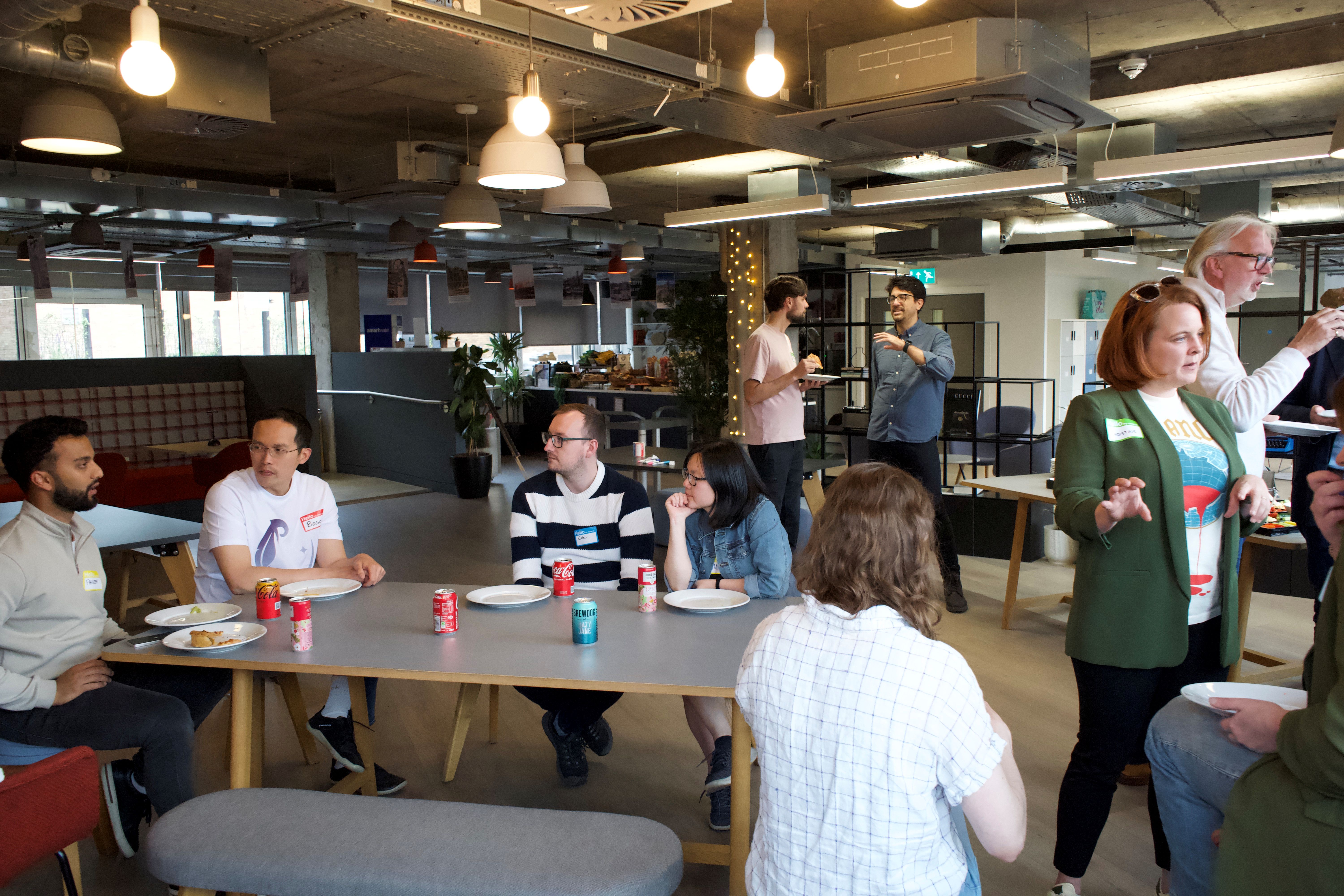
If there was one throughline during these conversations, it was this: Ecosystems are human systems. They thrive when people feel connected, seen, and supported. They stagnate when they operate in silos. What impressed me most about Ecosystem Exchange is the intentionality, the way it forces heterogeneous groups into rooms where they would not normally collide. That is the work. That is how cultures shift. That is how ambition compounds.
And whether we call it the age of AI or acceleration, the work is the same: define the future you want, build toward it with clarity, and write the story until it becomes true.




.svg)