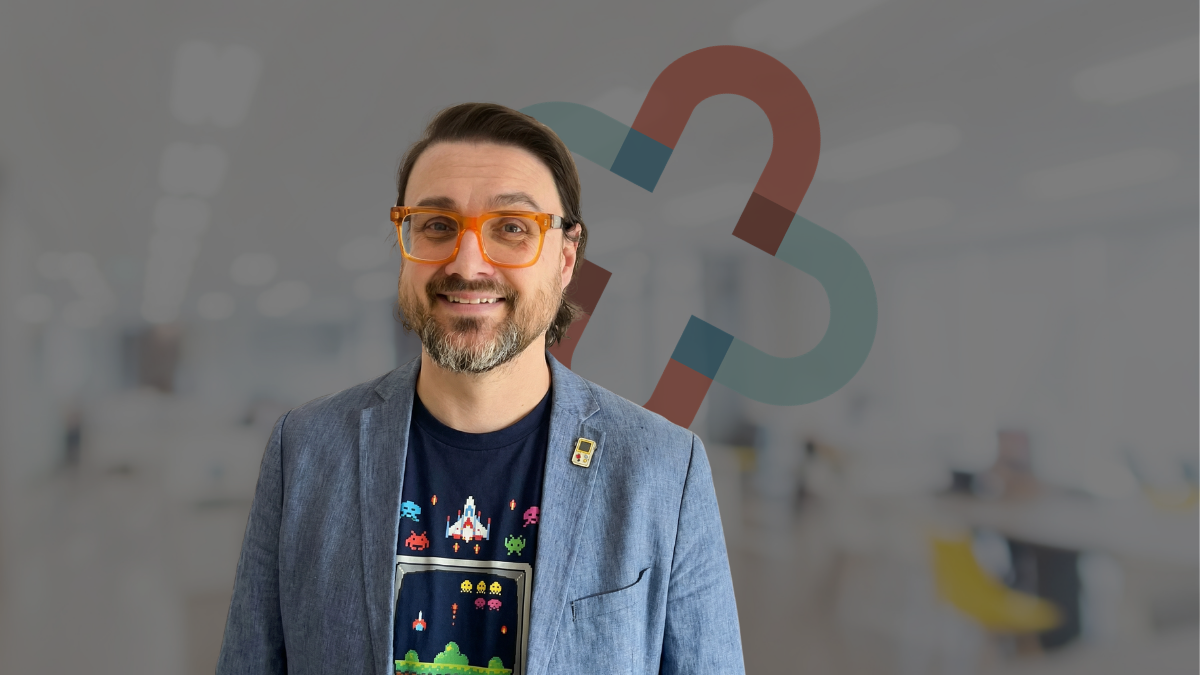
Umbra Dynamics is a Dundee-based IP revival publisher reviving classic video games from the 1980s and 90s through remasters and reimaginings. Founder Marc Williamson has spent 20 years gaming space, including Tag Games, which he led as CEO through its sale to Scopely.
When Marc went looking for games he had made, he found they were no longer available to play. An article he read claimed 87% of video games are currently unplayable, and he decided his next company would exist to close that gap.
Umbra Dynamics has since released collector's editions of well-known titles to a warm reception from fans, and publisher interest is building.
Techscaler, delivered by CodeBase, gave Marc a community of founders to build alongside. He joined the Catalyst programme, then became a founding resident of the games residency at Techscaler's Dundee Hub, which led into Techscaler's Gamescom 2026 cohort in Cologne.
This is a case study on finding value where an industry slowed down in growth, and on what experienced founders gain among peers.

Marc's first studio began with a market read others had missed. In Middlesbrough 20 years ago, he found a racing-focused games scene and wanted to make something different. He and his then co-founder David Hankin saw that almost no studio in the region was preparing for Nintendo's forthcoming DS, with most committed to Sony's PSP, so they built DS demos ahead of launch. When the console became a hit, theirs was effectively the only studio positioned for demand.
Umbra Dynamics applies that discipline to a bigger gap. Games, Marc argues, do not look after their past, and Night Dive's acquisition by Atari told him revival worked while room remained for an independent.

Marc was certain of the demand from the start, and the early work lay in helping licence holders see it. He was one person asking companies for the rights to titles they had held for decades, and it took around six months of outreach before the first agreements landed. Where others doubted the space, he saw less competition for ground he wanted.
The longer-term consideration was the shape of games funding, since a title takes 18 to 24 months to build before it reaches market. He was also building alone, and he knew the value of having other founders around him.


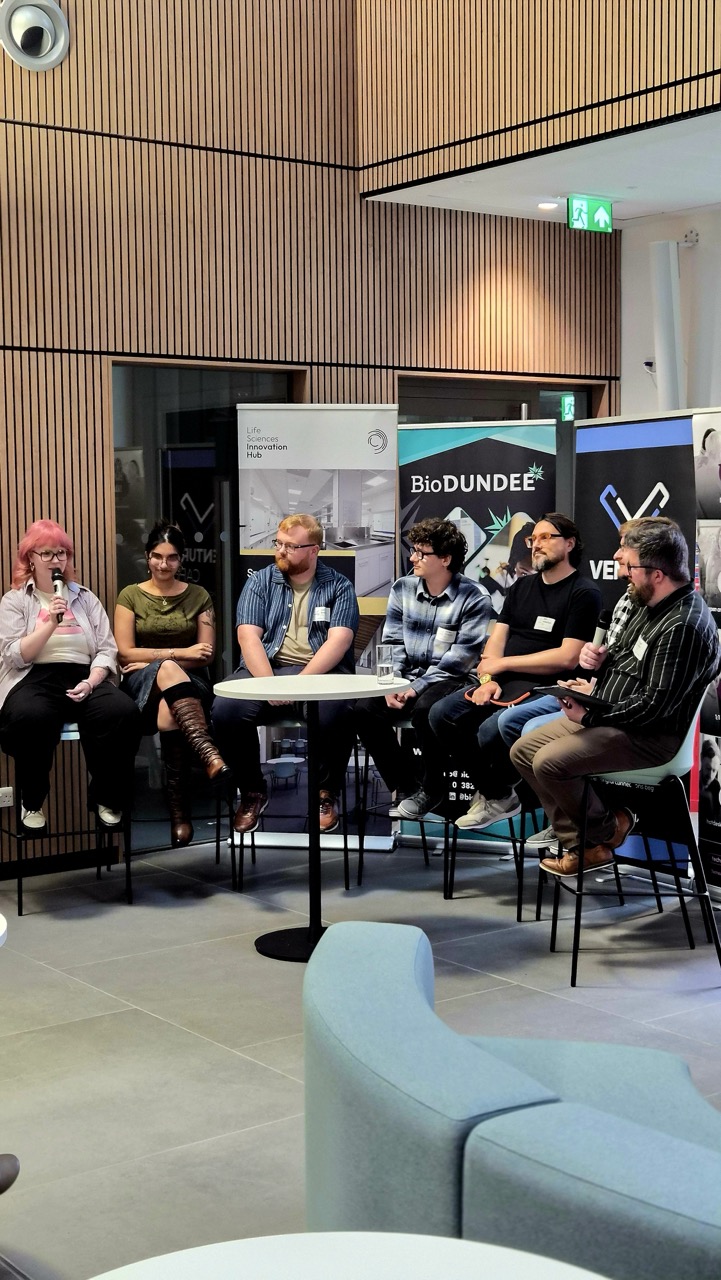
Marc has always found that the most powerful multiplier for any business is a space to talk with people who share the founder mindset. Techscaler's Catalyst programme offered that soon after he started Umbra Dynamics. Having run and sold businesses, he chose to arrive as a student, ready to listen without assuming he knew the way forward. The conversations delivered, with founders spurring each other on and ideas sparking across the room.
Afterwards, Brian McNicoll of Techscaler Dundee and Tayside pointed him to a new games-focused residency, which gave Marc a natural next step alongside founders from his own industry.
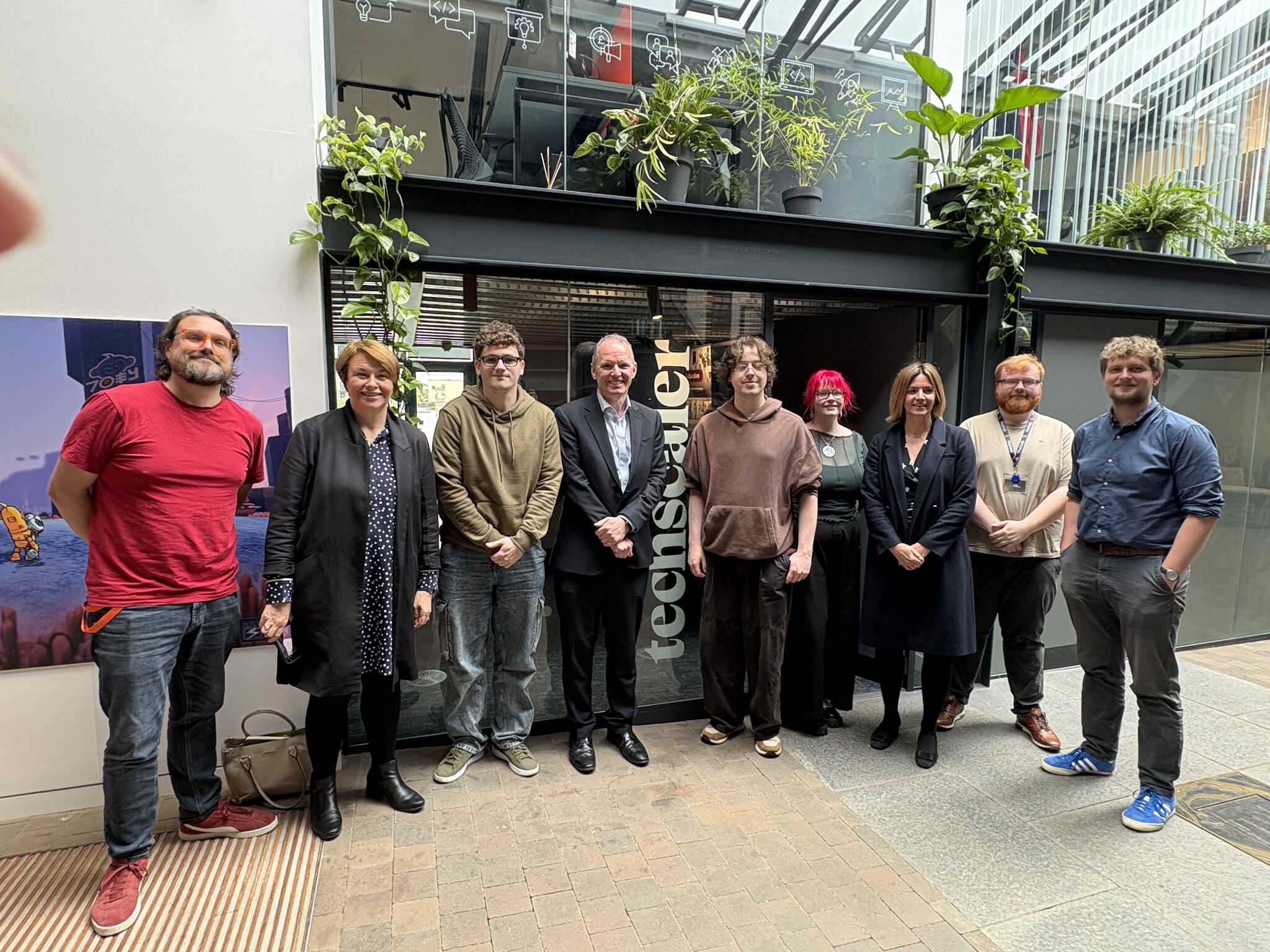
The residency opened in March at Techscaler's Dundee Hub at Water's Edge, bringing five games studios together for six months. Its sessions were built for founders early in their journey, and for Marc the greater value sat in the room itself. Daily conversations around the coffee machine meant an overheard problem could be matched with the right contact, with the Techscaler team on hand to help ideas along.
It worked in both directions, and Marc welcomes sitting down with newer founders over a pitch deck or financial plan.
The residency culminated in Cologne, where Techscaler took ten Scottish studios to Gamescom 2026. Marc's advice for conferences is to fill the calendar, in his case with up to 40 meetings, because an easily dismissed conversation can prove the valuable one. He also keeps a deck ready and carries business cards, so a flat phone or patchy wifi never costs him a contact.
Marc came home from Cologne with evidence that the market is moving his way. A year earlier, at his first Gamescom with Umbra Dynamics, publishers were holding back on commissioning. This August they told him they had space on their slates. Plenty of people wanted to talk about their IP, and he counts three or four new businesses looking at the same territory.
Umbra Dynamics is now proving its numbers, with publisher interest in its projects and tooling that Marc says is showing almost magic benefits. He won Scottish Edge, and around 90% of that funding is going on hiring because games is a people business, with the rest supporting hardware and a new merchandise store.
Within a year he wants the studio's biggest product released and a sequel underway, with a team in the high teens and stable revenue.


Marc's advice is to spend time with as many other founders as possible, and he sees Techscaler, delivered by CodeBase, as the obvious hub for that. Accountants and investors each offer a view, while conversations with peers change how a founder sees their own business.
For ecosystem partners across government and industry, his story shows that experienced founders gain from shared space and strengthen it for everyone.
Follow Umbra Dynamics on LinkedIn for updates on upcoming releases and the merchandise store.


.png)

.svg)