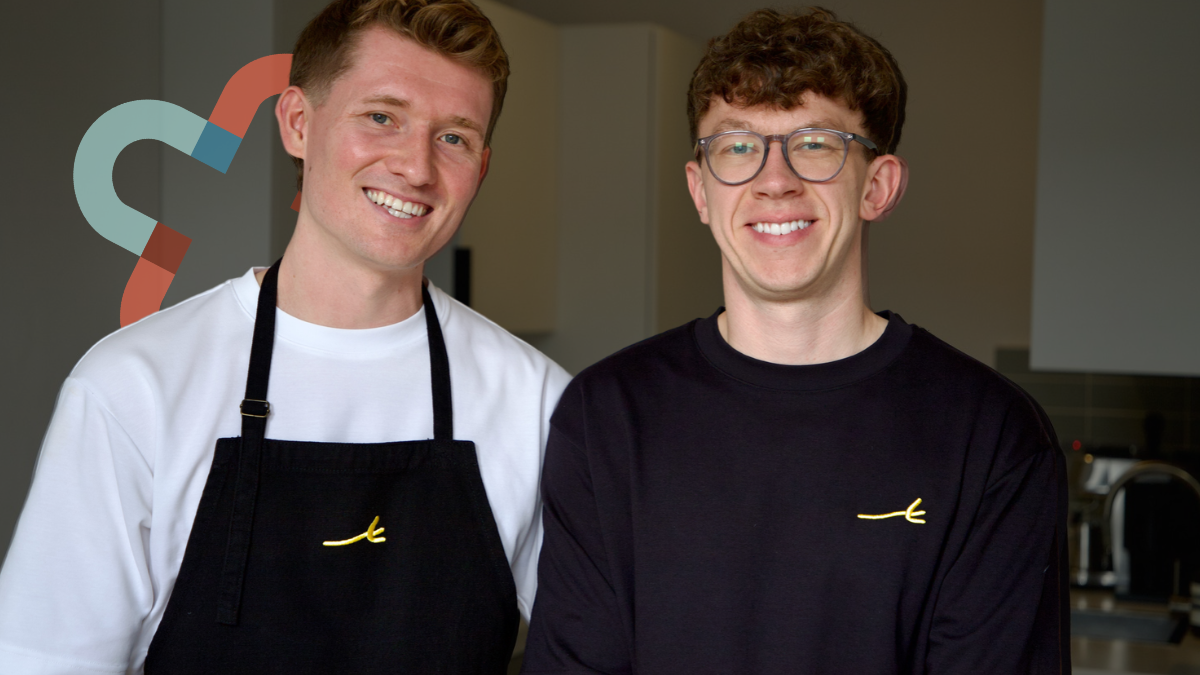
Scran is a subscription cooking app that helps neurodivergent cooks find more confidence in the kitchen. Co-designed with neurodivergent cooks, it simplifies recipes saved from wherever cooks find them into easy-to-follow steps and turns them into aisle-sorted shopping lists. It was co-founded by Jonny Kirkaldy, who leads on user research and growth, and his partner Grant Macgregor, who leads on design and engineering. Scran is a bootstrapped business, proudly made in Scotland.
Jonny came to the idea after product roles in financial services and edtech, while Grant began building the first version as a passion project. Scran launched on 6 August, 2026 after a four-month pilot beta with 200 cooks and earned coverage in five outlets during its first month.
Jonny's route began with Techscaler Discovery and continued through Catalyst, both delivered by CodeBase, where he sharpened his focus on neurodivergent cooks and found a peer cohort of founders.
This is a case study on testing assumptions with the people you are building for and launching on evidence.

Scran began as a passion project for Grant, who wanted to build his backend engineering skills while solving a problem the couple shared at home. Cookbooks lined their shelves and an Instagram folder held a thousand saved recipes that rarely got revisited, which made planning meals and settling into a routine of cooking at home harder than it needed to be.
Jonny and Grant had always wanted to build something together, with a hope of using tech for good. Jonny's time looking after the mobile app at Standard Life and then working in edtech with neurodivergent students shaped how he saw the opportunity, though cooking turned out to be a different discipline.

After leaving his edtech role, Jonny turned his attention to Scran while Grant built out the backend engineering. His product career had centred on improving products that already had customers, so a blank page raised a bigger question of who those customers would be. His edtech work had given him a strong understanding of neurodivergent users, yet applying it to cooking remained an assumption worth testing. Coming from product rather than marketing, he also wanted a structured programme to teach him the parts of a business he knew least. A former colleague pointed him towards Techscaler Discovery and Catalyst.


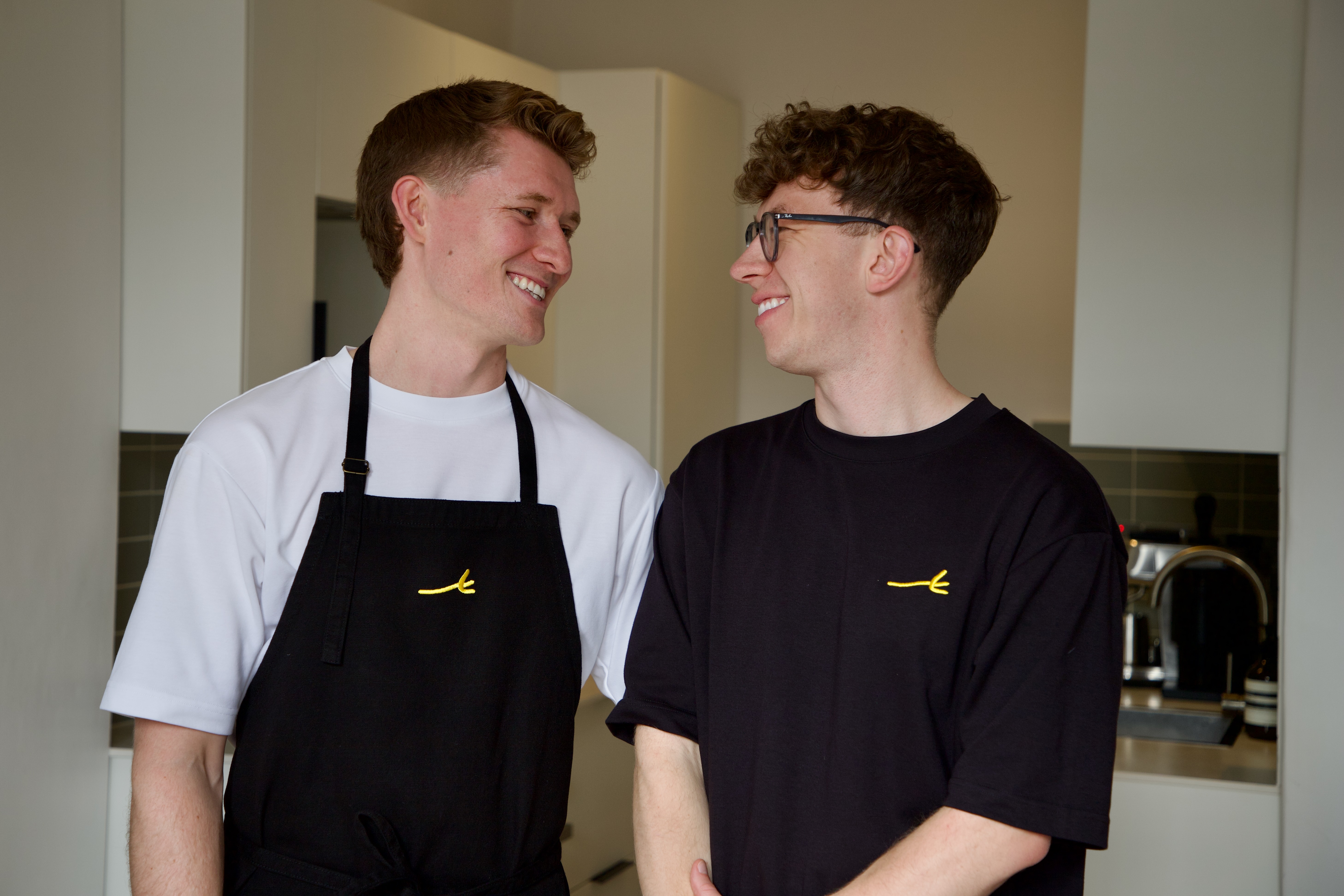
Jonny began with Techscaler Discovery and moved on to Catalyst, the programme for early-stage founders who are actively building. Catalyst gave him room to stay with the problem for longer and to speak directly with neurodivergent cooks before building further. Using the jobs-to-be-done framework and interviews, he explored what stopped people from following recipes with confidence and cooking independently. The work led him to focus on an audience smaller than he first imagined and showed him that nobody yet owned the space of accessibility in cooking through technology. That clarity gave Scran a message it could own.
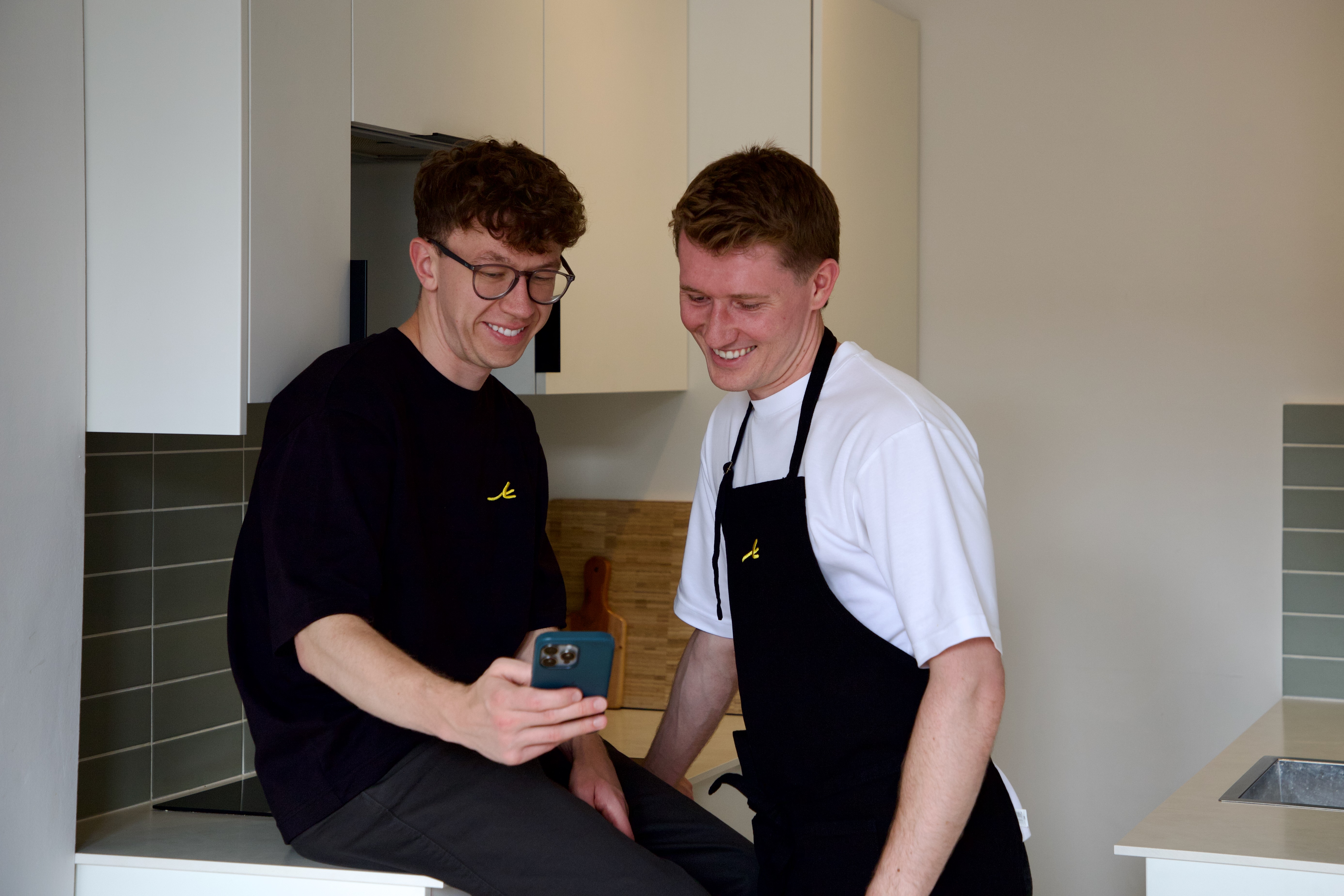
Alongside the framework, the cohort made a real difference. Jonny attended every session in person to hear where other founders were, and found that people slightly ahead of him could share which mistakes to avoid and which steps to repeat. Entrepreneurs in residence gave him a place to bring questions, and he formed a lasting relationship with a consumer app founder he met on the programme.
The research that followed shaped the product itself. Scran moved from recipe storage to recipe simplification, breaking recipes into manageable steps that lighten the load on working memory and support task initiation. It also added accessible design such as font options that scale and support for reduced motion. That became the core of the MVP.
Since Catalyst, Scran has moved from research to a live product. A four-month pilot beta brought 200 cooks from a wait list of 500 into the app, and Jonny puts week-four retention at 30%, which he describes as strong for the consumer space. Feedback from those cooks shaped an aisle-sorted shopping list where users can untick ingredients they already own, and a third feature offering more personalised recipe cues is planned for the coming months. Scran launched on 6 August and earned coverage in five outlets in its first month, including Edinburgh Live, The Herald, IT Brief and Autism Eye. Jonny also took Scran to the final of Young Edge, where preparing financial projections added useful rigour. Looking ahead, he wants to bring Grant onto Scran full-time and keep growing the app's reach while giving accessibility in cooking a bigger voice.


Jonny's advice for founders considering Techscaler Catalyst is to give it a go and stay curious, since nobody is expected to have every answer and the learning comes through the process. Techscaler, delivered by CodeBase, gave him structured learning, a peer cohort and entrepreneur-led support while he shaped Scran around the cooks it serves.
For the wider ecosystem, his story shows what early support can do when founders are encouraged to listen first.
Follow Scran on LinkedIn for product updates.