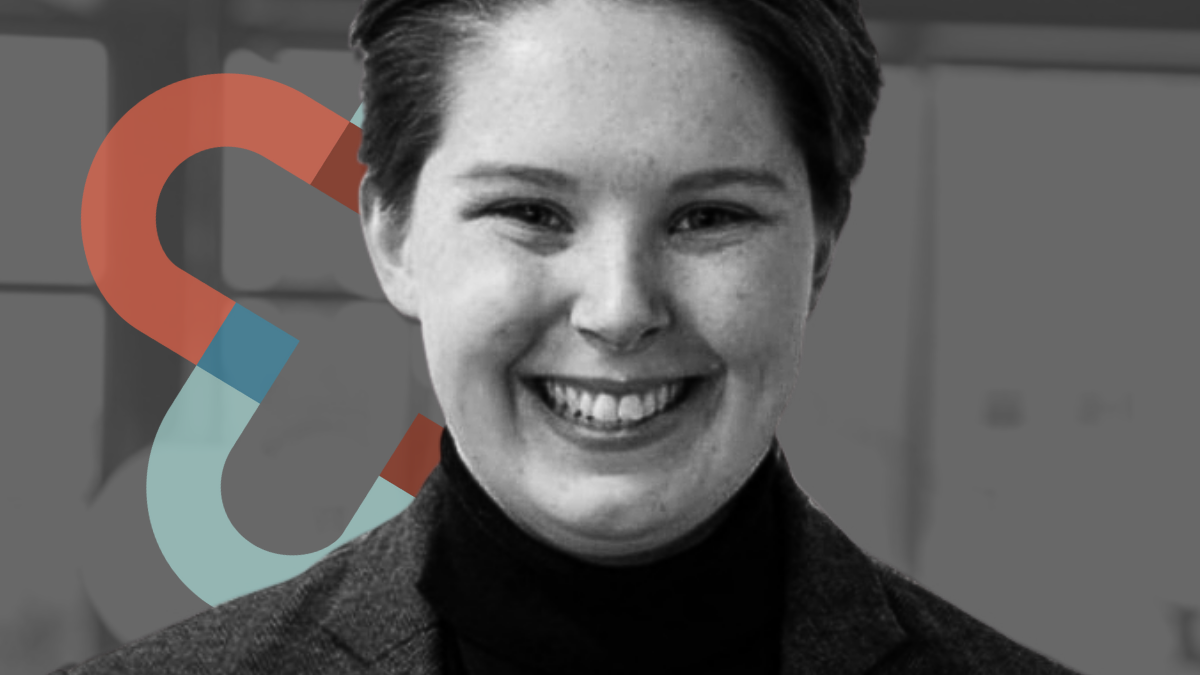
Kayla Burns did not set out to build a tech startup. While running a podcast production business alongside their university education, they began to notice a deeper problem beneath the work. Media production was slow, manual, and dependent on people repeating the same tasks again and again. As demand grew, so did the inefficiency. Kayla started asking whether technology could solve what process could not.
That question led to Podplistic. What began as a practical response to unscalable workflows has grown into a platform rethinking how media is created, distributed, and experienced. Podplistic now sits at the intersection of production, analytics, and emerging research into how people consume content across different contexts and neurotypes.
Kayla’s journey into tech was shaped by early support from Techscaler, delivered by CodeBase on behalf of the Scottish Government. Through the Techscaler Discovery programme, structured education, and ongoing mentorship with Jason Wagner, they gained the clarity and confidence to move from insight to execution. International Techscaler cohorts, in San Francisco and Helsinki, further expanded Kayla’s perspective, helping them recognise the scale of the opportunity ahead and the role Podplistic could play in shaping the future of media.

Podplistic emerged from lived experience rather than abstract theory. While studying at university, Kayla ran a podcast production business to support themselves, working directly inside the workflows used by creators and organisations. As client demand increased, the cracks became impossible to ignore. Production relied heavily on manual processes, repeated labour, and fragmented tools that broke down as soon as scale was introduced.
With a background in biomedical science and a growing curiosity about technology, Kayla began questioning whether these constraints were inevitable. Early conversations with dozens of media teams confirmed the issue was not unique to podcasts, but symptomatic of a wider problem in how content is produced and adapted for different audiences.
Podplistic was born from that insight, grounded in real usage, real revenue, and a clear understanding of the problem it set out to solve.

Before joining Techscaler, Podplistic had momentum but lacked the structure needed to grow with confidence. Kayla had validated the problem through hands-on delivery and early revenue, yet faced uncertainty around how to translate insight into a scalable product. Entering a sector dominated by established platforms and fast-moving narratives, it was difficult to pressure-test strategy, build technical confidence, and sense-check long-term direction alone.
Like many early founders, Kayla was navigating complexity without a clear reference point. Decisions around product scope, technical feasibility, and ambition carried real risk. What was missing was not drive or clarity of purpose, but access to experienced perspectives, trusted challenge, and an environment where asking fundamental questions was encouraged rather than judged.


.jpeg)
Kayla entered Techscaler without a fixed blueprint. They had validated a real problem through direct experience, but were unsure how to translate that insight into a technical product. Joining the First Steps programme was less about answers and more about orientation. Early sessions helped Kayla slow down decision-making, examine assumptions, and separate the problem from any single solution.
Mentorship played a central role from the outset. Working closely with Jason Wagner gave Kayla space to explore feasibility without pressure to perform. Rather than being pushed toward a predetermined outcome, they were encouraged to ask better questions, build confidence, and define ambition on their own terms.
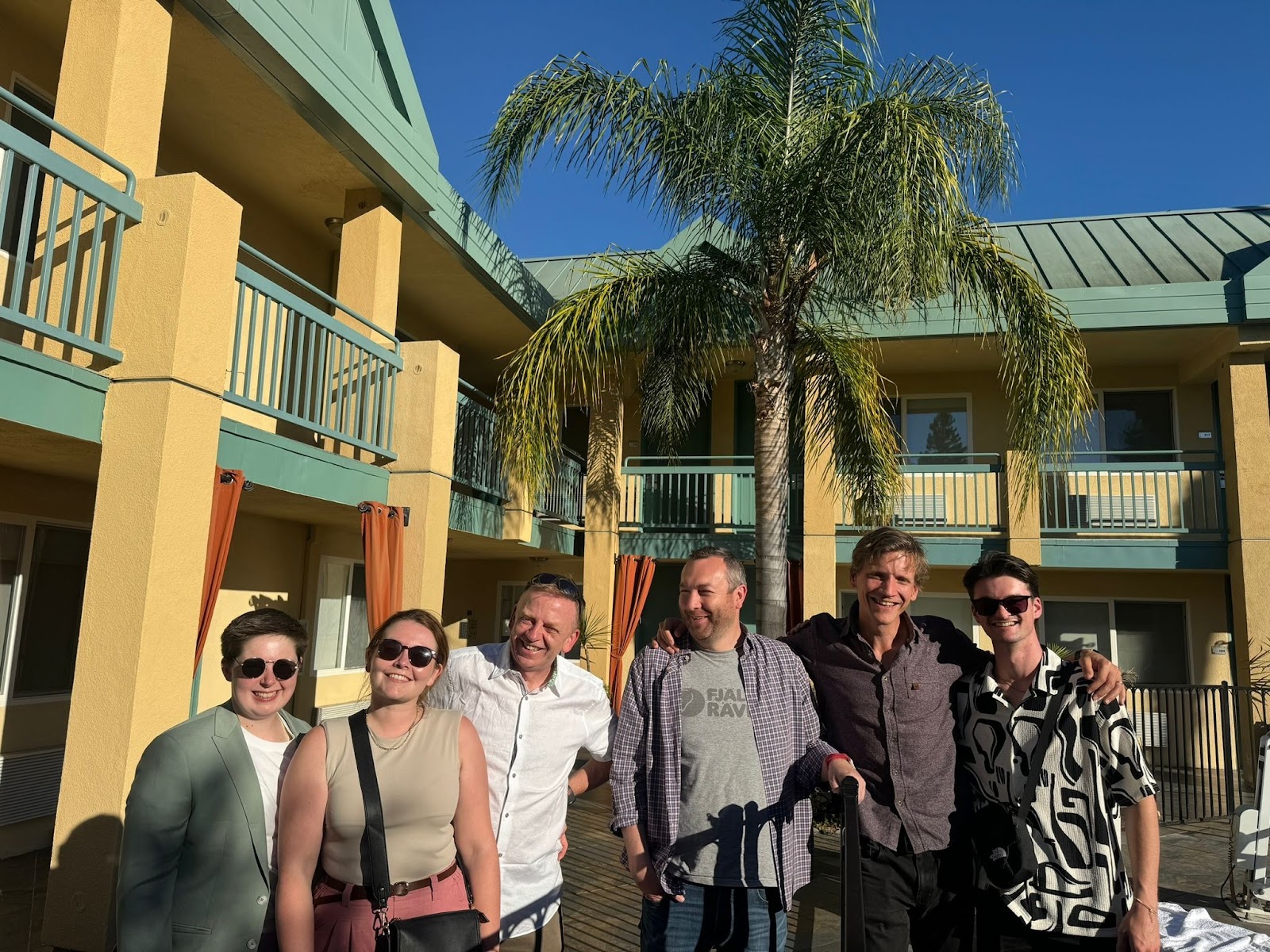
As Kayla progressed through Techscaler, the value of the programme became tangible. Mentor-led sessions helped them navigate unfamiliar technical terrain, while peer cohorts created an environment where uncertainty was shared rather than hidden. Exposure to other founders building at pace normalised ambition and reframed what was possible from Scotland.
International Techscaler cohorts in San Francisco and Helsinki proved particularly influential. Immersion in global startup ecosystems sharpened Kayla’s understanding of scale, fundraising expectations, and long-term opportunity. These experiences also validated Podplistic’s direction, reinforcing the importance of client-driven validation over abstract metrics.
Crucially, Techscaler offered continuity. The combination of structured support, trusted challenge, and community gave Kayla the confidence to evolve their thinking, make bolder decisions, and position Podplistic for its next phase of growth.
Post-Techscaler, Podplistic entered a period of accelerated momentum and visibility. Confidence built through mentorship and international exposure translated into decisive action. Kayla secured letters of intent with leading global media organisations, then paused fundraising to prioritise paid co-design partnerships that sharpened product direction. Time spent in San Francisco reframed fundraising expectations, resulting in multiple seven-figure investment offers and a clearer understanding of global market standards.
Back in Scotland, those insights drove a strategic mid-pivot. Podplistic began focusing on adaptive media experiences shaped by neuroscience and human computer interaction. Kayla’s expertise is now sought well beyond the startup ecosystem, with invitations to advise major broadcasters, speak internationally, and contribute evidence to the Scottish Parliament on AI in the creative industries. The company is positioned not only to scale, but to influence how future media systems are built with lasting commercial impact globally.


Kayla’s journey shows what happens when early support meets founder intent. Techscaler, delivered by CodeBase, provided structure without prescription and challenge without pressure. The programme helped transform uncertainty into informed decision-making, while maintaining space to evolve as new evidence emerged.
For founders considering structured support, the lesson is clear: choose environments that back ambition, encourage difficult questions, and connect local talent to global standards. When support is delivered with consistency and trust, startups grow and ecosystems strengthen.



.svg)