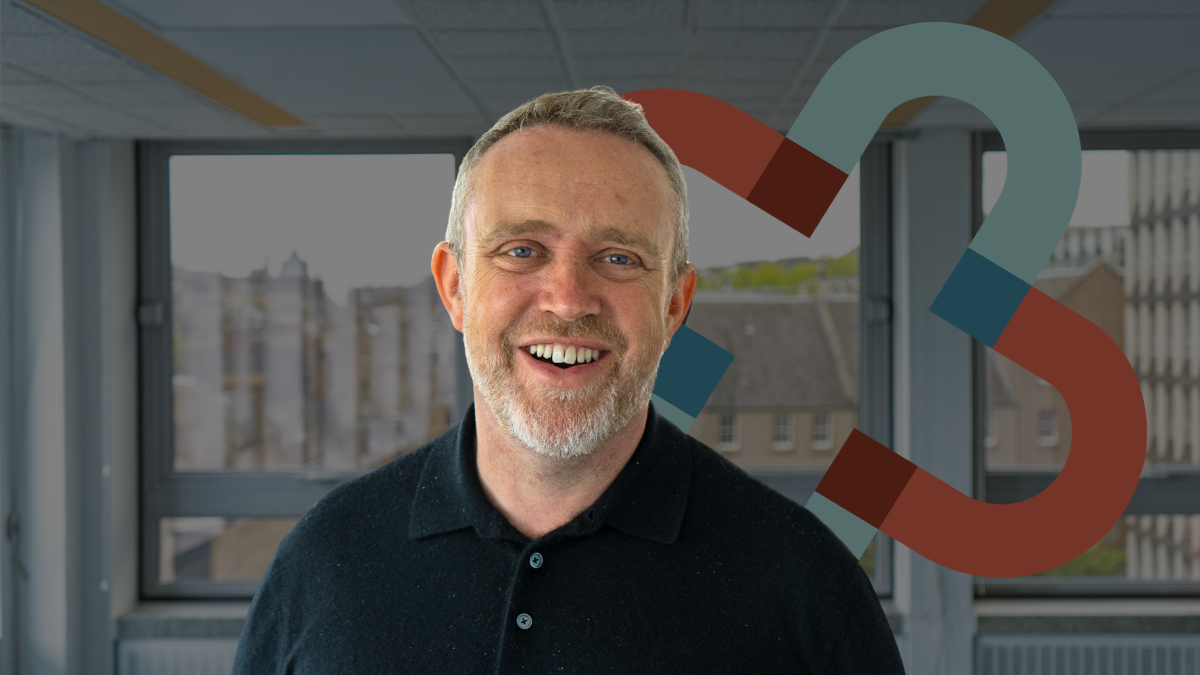

Zumo is a digital assets-as-a-service platform built for the institutions and fintechs shaping the next chapter of finance. At its helm is Nick Jones, a founder with a track record spanning exits, investment, and the hard lessons that only come from operating at the edge of an emerging industry.
Founded in Scotland, Zumo began as a non-custodial wallet infrastructure business, evolved into a consumer crypto app with over 100,000 users, and has since pivoted into a B2B infrastructure provider. The journey involved navigating a market implosion, sundowning a consumer product with every customer made whole, and rebuilding with sharper focus on what the regulated future of crypto actually demands.
Today, Zumo holds FCA registration, operates as a compliance-sensitive partner for banks, fintechs, and asset managers, and is working towards full FCA authorisation as the UK's regulatory framework for digital assets matures.
Participation in Techscaler's International Programmes, delivered by CodeBase, provided structured support at a pivotal moment in that journey, specifically through the UAE Market Engagement Mission.
This is a case study in reading a market clearly, moving decisively, and knowing exactly when to lean into the right support.

Nick Jones and co-founder Paul Roach came to Zumo through a circuitous route, one that shaped exactly the kind of founders they became. Both had spent years across technology, media, data, and mobile. Nick had stepped back from founding to invest, backing machine learning and early AI businesses. Paul had spent time deep in blockchain and product.
When they came together, the thesis was clear. Blockchain solved real problems around data sovereignty and ownership in ways that the internet had failed to. They built non-custodial wallet infrastructure, patented it, and took it to market. The timing, unfortunately, was off by about seven years.
Rather than hold the line on a thesis the market wasn't ready for, they pivoted to a consumer crypto app, caught the wave of retail adoption, and grew to over 100,000 users. When that market imploded in 2022, they pivoted again, this time back to B2B, building the enterprise infrastructure that banks and fintechs will need as crypto becomes a fully regulated asset class in the UK.
The core tech they built in those early days still underpins everything Zumo does now.

Before joining Techscaler's International Programmes, Zumo had already done the hard work of surviving a market collapse and rebuilding. The company had wound down its consumer app, returned every customer's funds, and repositioned around enterprise infrastructure. The strategic direction was clear. The path to getting there was not.
Operating in a space where regulation was still evolving and institutional appetite was only beginning to return, Zumo needed more than product conviction. They needed credible exposure to the markets most likely to move first, structured intelligence on what expansion actually looks like operationally, and a peer group that understood what it means to scale a fintech from Scotland into a global conversation.
The UAE had been on the radar for some time. It had moved early on crypto regulation, created genuinely business-friendly frameworks across Dubai and Abu Dhabi, and was attracting major financial institutions. Getting there in a structured, prepared way was a pivotal step.


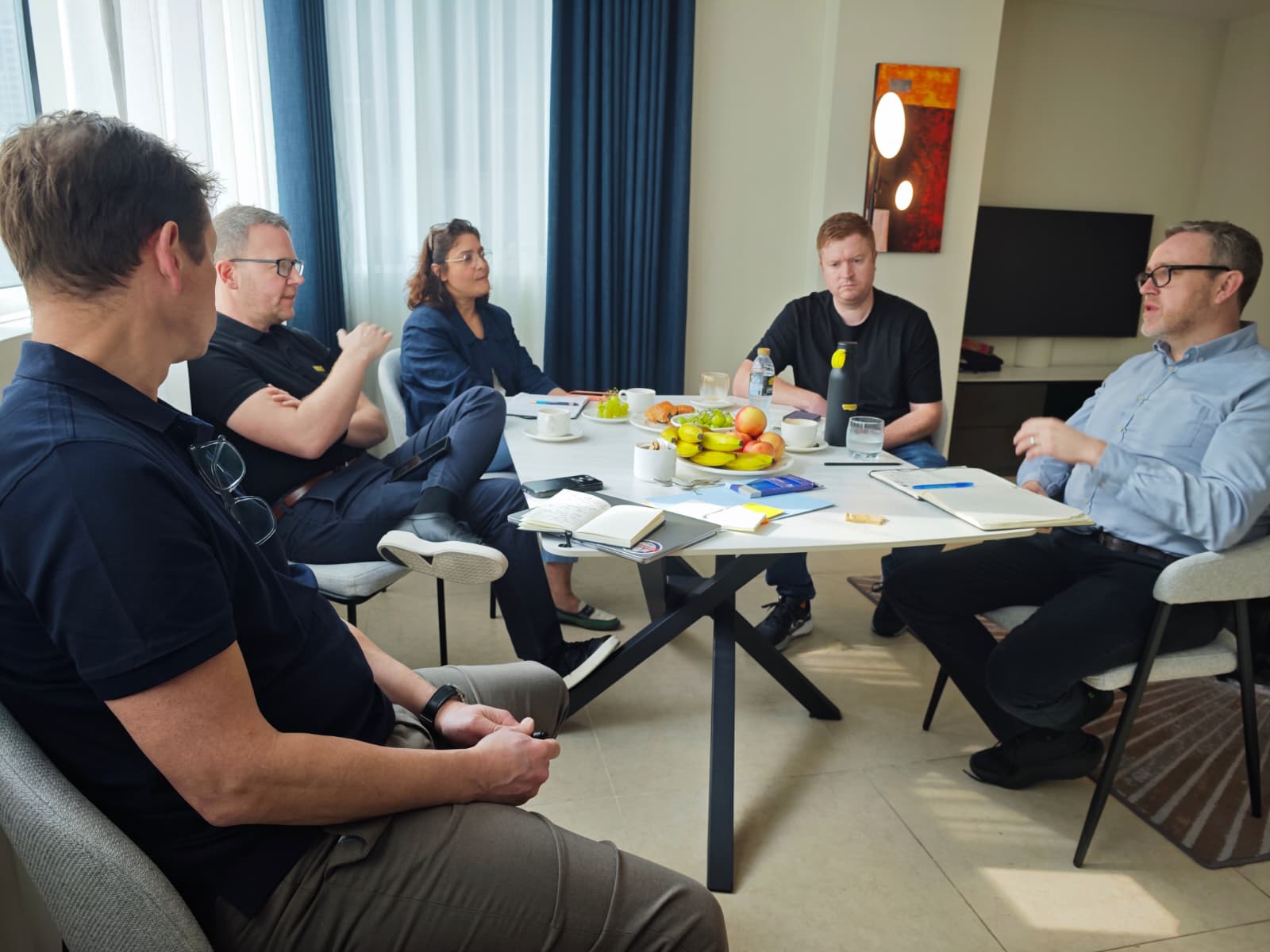
The Techscaler UAE Market Engagement Mission gave Zumo exactly the kind of structured market access that is difficult to manufacture independently. Nick and five other Scottish founders spent a week in Abu Dhabi with a programme built around real substance: pitching at the UAE Ministry of Investment with the Deputy First Minister in attendance, a reception at the British Ambassador's residence, curated networking in Dubai, and space to run their own parallel meetings throughout.
For Nick, the value was grounded and specific. Understanding the regulatory frameworks across Dubai and Abu Dhabi, the practical mechanics of setting up commercially, the face-to-face relationship culture that still governs how deals get done there. The UAE had long been on Zumo's radar as a market that moved early on crypto regulation. What the mission gave them was direct, informed access to test that thesis against reality.
Nick came in prepared. He had prior familiarity with the market, went in with clear objectives, and secured strong commercial interest from a key strategic partner during the trip. It's the kind of outcome, as Nick puts it, that would probably still be lurking around in the ether without having been there.
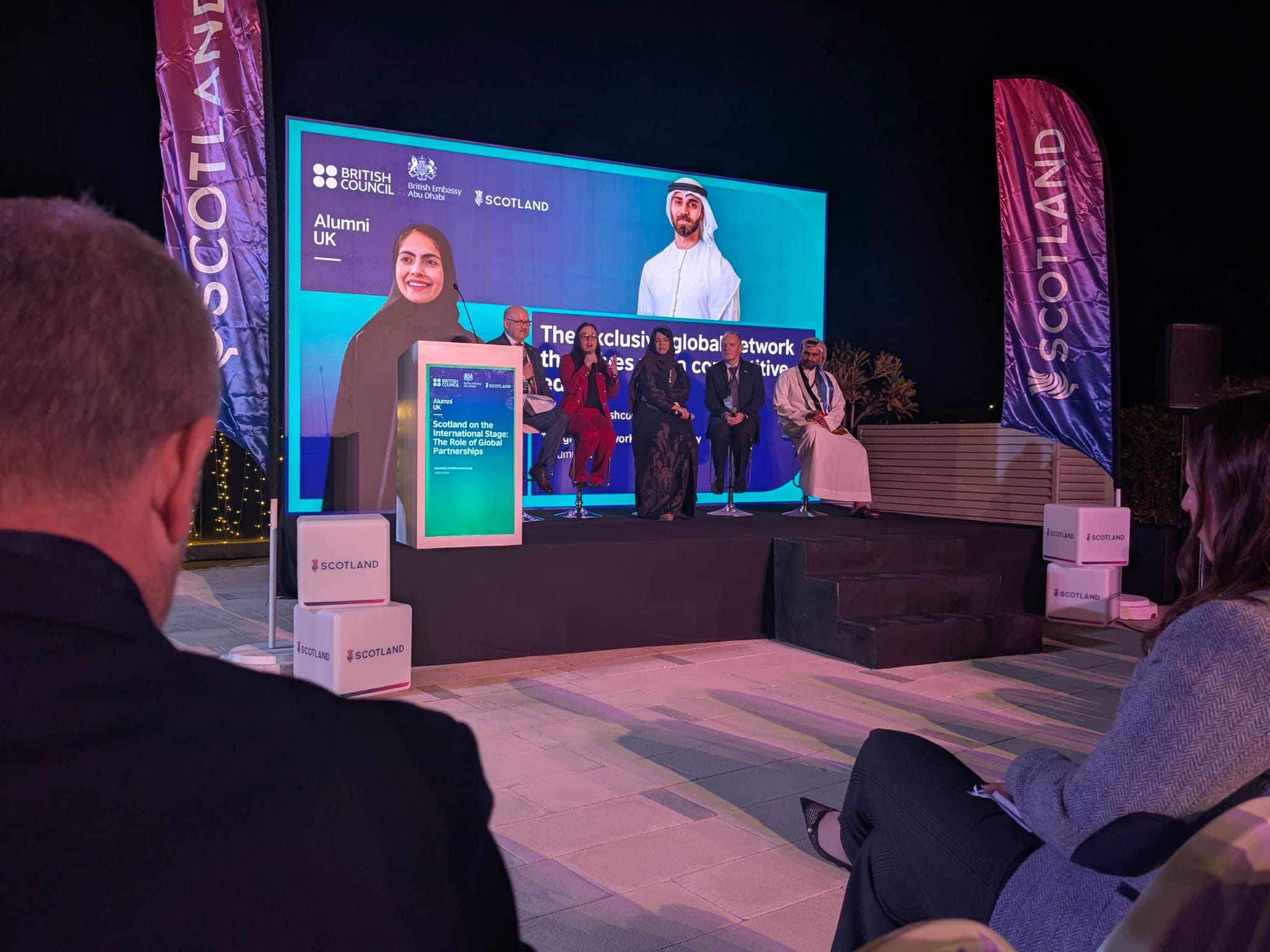
Zumo had already been working with Scottish Development International on international market access before the Techscaler mission. For Nick, Techscaler felt like a natural extension of that support, adding something distinct: a cohort of founders at a similar stage, all navigating versions of the same challenges, and the structured space to learn from them in real time.
That peer dimension matters to Nick, and he's thought about why. Scotland's tech ecosystem is still relatively young. The first real recycling of founder capital back into new companies is only beginning to take hold. Silicon Valley is, by his reckoning, five or six generations into that cycle, and the depth of peer networks there reflects it. Programmes that build genuine founder community, where the mentors have actually built and scaled companies recently, are a meaningful part of how that foundation gets laid here.
Being in Abu Dhabi alongside founders from employee welfare tech, AI for security, and other sectors, all working through the same core question of how to establish real market presence rather than just an exploratory visit, gave the mission a texture that structured programming alone can't manufacture.
For Zumo, Techscaler reinforced both market conviction and the one decision Nick considers most consequential: timing.
The work Zumo did before, during, and after the Techscaler UAE Mission sits inside a much bigger story about where digital assets are going in the UK. Nick has watched the regulatory path clear in real time. The FCA registration gateway, which Zumo was one of the first four companies through, gave them supervised status at a moment when most crypto firms were still operating in grey space. Full FCA authorisation for crypto firms is coming in shortly, which will bring crypto businesses under the Financial Services and Markets Act and, Nick believes, unlock the institutional participation that has been waiting on the regulatory signal.
Zumo is positioned for exactly that moment. The enterprise infrastructure they have built means banks, fintechs, and asset managers can offer digital asset products to their customers without building everything themselves or navigating the regulatory complexity alone. It is, as Nick notes, not a million miles from their original thesis, arrived at via a considerably more interesting route.
The UAE mission added commercial momentum and confirmed strategic timing. The strong commercial interest Zumo secured is a strong signal for progress. The market intelligence and peer insight from the cohort have sharpened how Zumo is thinking about when and how to establish a presence there.
The company is now moving toward full authorisation, with clear eyes on the international expansion its enterprise proposition demands.


Techscaler, delivered by CodeBase, met Zumo at a moment when strategic direction was clear but the path to executing it internationally was not. The UAE Market Engagement Mission provided structured market access, experienced peer support, and on-the-ground intelligence that would have taken considerably longer to build independently.
Nick's advice for other founders considering these programmes is direct: understand what you want from something before you engage with it, and then put in the work that earns a return. He applies the same logic to co-founding, investor relations, and failure. A co-founder should complement what you can't do, not mirror what you already do well. Investor communication matters most when you don't need anything from them. And when something doesn't work, the useful question isn't what went wrong, it's what went right and how to repeat it.
That combination of clear-eyed self-awareness and stubborn forward momentum is, more than anything else, what the Zumo journey reflects. The market has been cyclical, the regulatory path long, and the pivots significant. Nick would argue that some of it is luck and timing, but most of it is about staying adaptable enough to change your model and resilient enough to keep going when the odds look stacked.
For Scotland's ecosystem, Zumo is a proof point that global ambition and regulatory rigour aren't in tension. They compound each other, and with the right support at the right stage, they're achievable from right here.
Follow Zumo on LinkedIn for updates on regulatory developments, enterprise partnerships, and international expansion.

.png)
.png)


.svg)