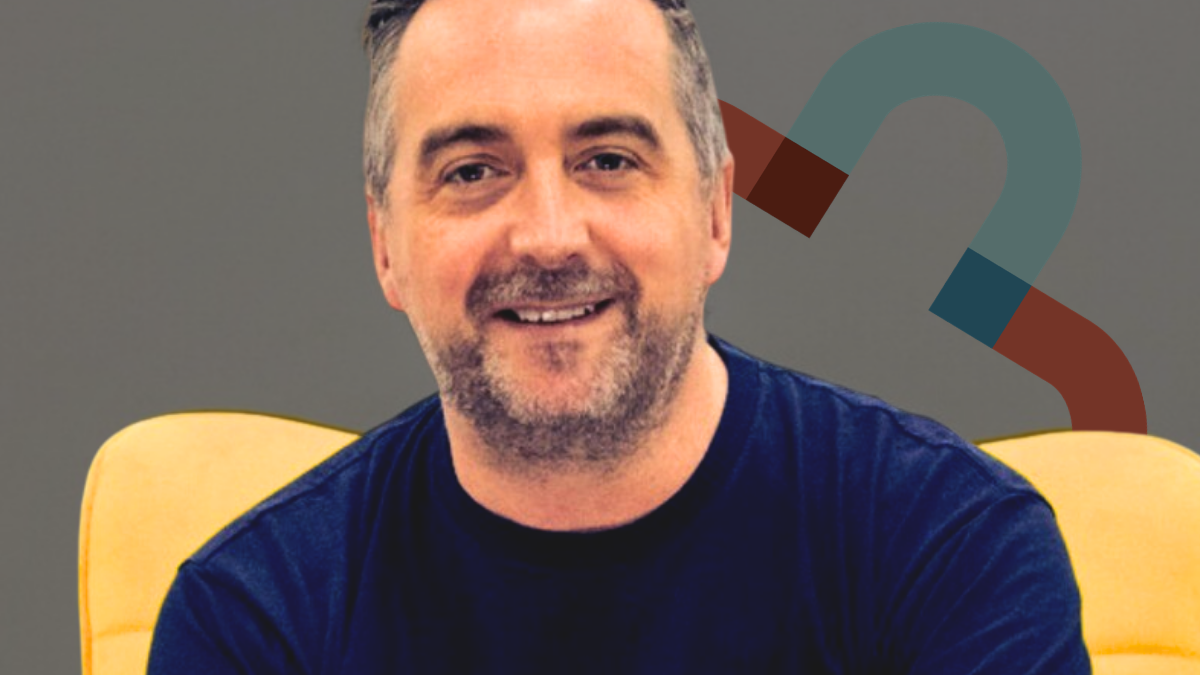

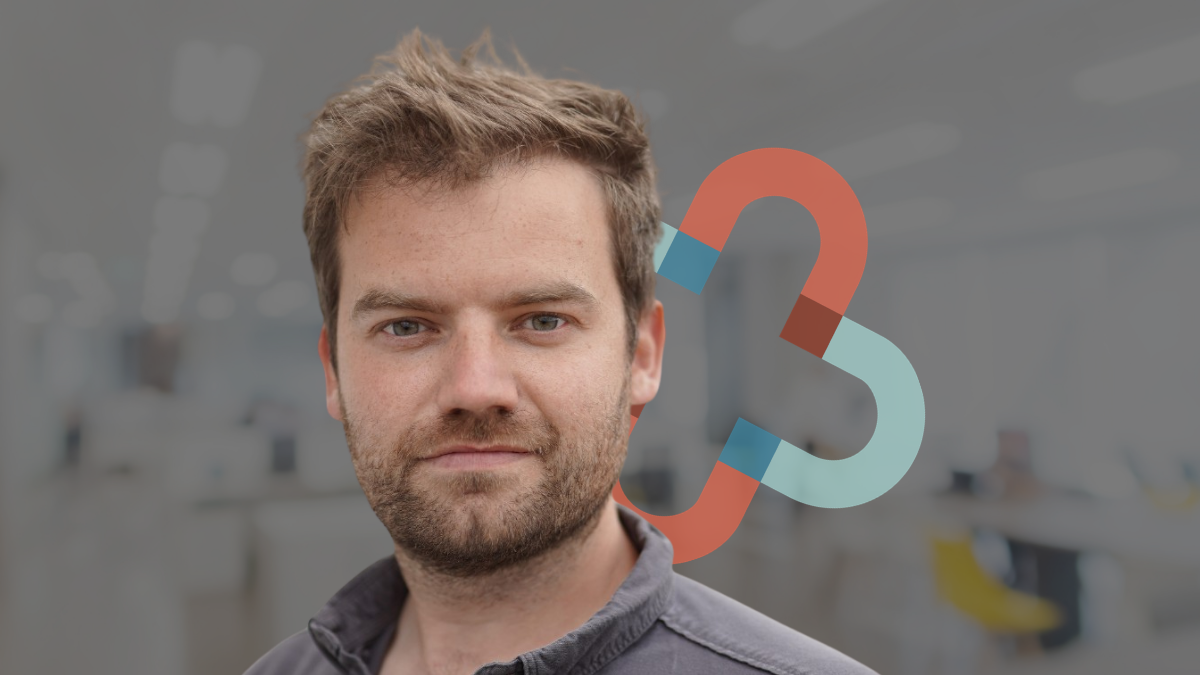
Weeteq is a Glasgow-based deep tech company building AI that lives inside microcontroller control loops, predicting, adjusting, and optimising power and control systems in real time. At its helm is Martin McDonald, COO and co-founder, alongside semiconductor industry veteran Taner Dosluoglu, whose roots stretch back to Dialogue Semiconductor, Tektronix, and the early days of smartphone power delivery.
What started as motor control R&D has converged into something with considerably bigger stakes: making AI data centre workloads more efficient at a time when power, not processing, has become the bottleneck.
Bootstrapped for three to four years and now closing a seed round of approximately £1.5 million, Weeteq is a team of around 10, soon to be 13, with ambitions to double in the next 12 to 18 months.
Support from Techscaler, delivered by CodeBase, opened doors that the team simply might not have found on their own, particularly through its Japan international mission.
This is a case study about staying technical while thinking commercially, and knowing when to go global.

Weeteq didn't start with data centres in mind. The company grew from Martin and Tana's shared conviction that the power management techniques Tana had refined in the wearables and smartphone space, compact, efficient, precise, could do something meaningful in an industrial context.
They started with motor drives. Tangible, testable, and a strong proof point for the underlying technology. From there, the work expanded into power inverters and renewable energy systems, each project deepening the R&D stack.
What changed the trajectory was convergence and not a singular pivot. The motor control research and the power delivery research began pointing in the same direction: AI data centres, where power consumption has quietly overtaken chip performance as the defining constraint. Weeteq was already positioned, technically, to serve that market. They just needed to recognise it.
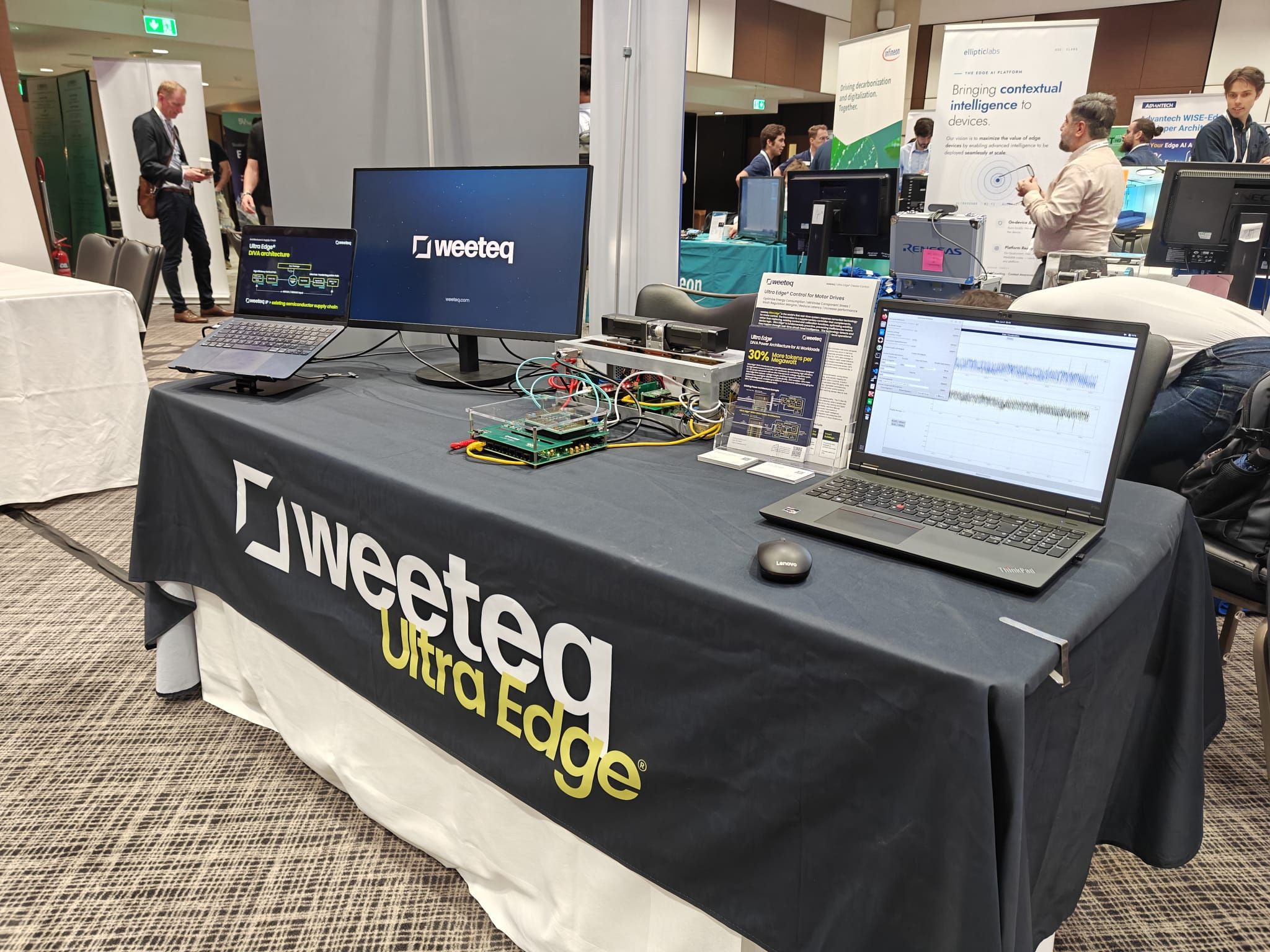
Before deepening their engagement with Techscaler, Weeteq were doing what most early-stage deep tech founders do: everything at once. Small team, multiple frontiers, and the constant pull of the next promising lead.
The investment challenge was particularly acute. Weeteq operates in a specialist area, and the investors most comfortable with that kind of deep tech risk tend to sit in territories such as the US. Building momentum domestically meant first proving traction abroad, a dynamic that takes time and costs energy, neither of which a bootstrapped team has in abundance.
Equally, operating across international and European conferences meant missing what was happening closer to home. Without the visibility that comes from being embedded in an ecosystem, local opportunities simply didn't surface.
Techscaler offered a way to change both of those things.


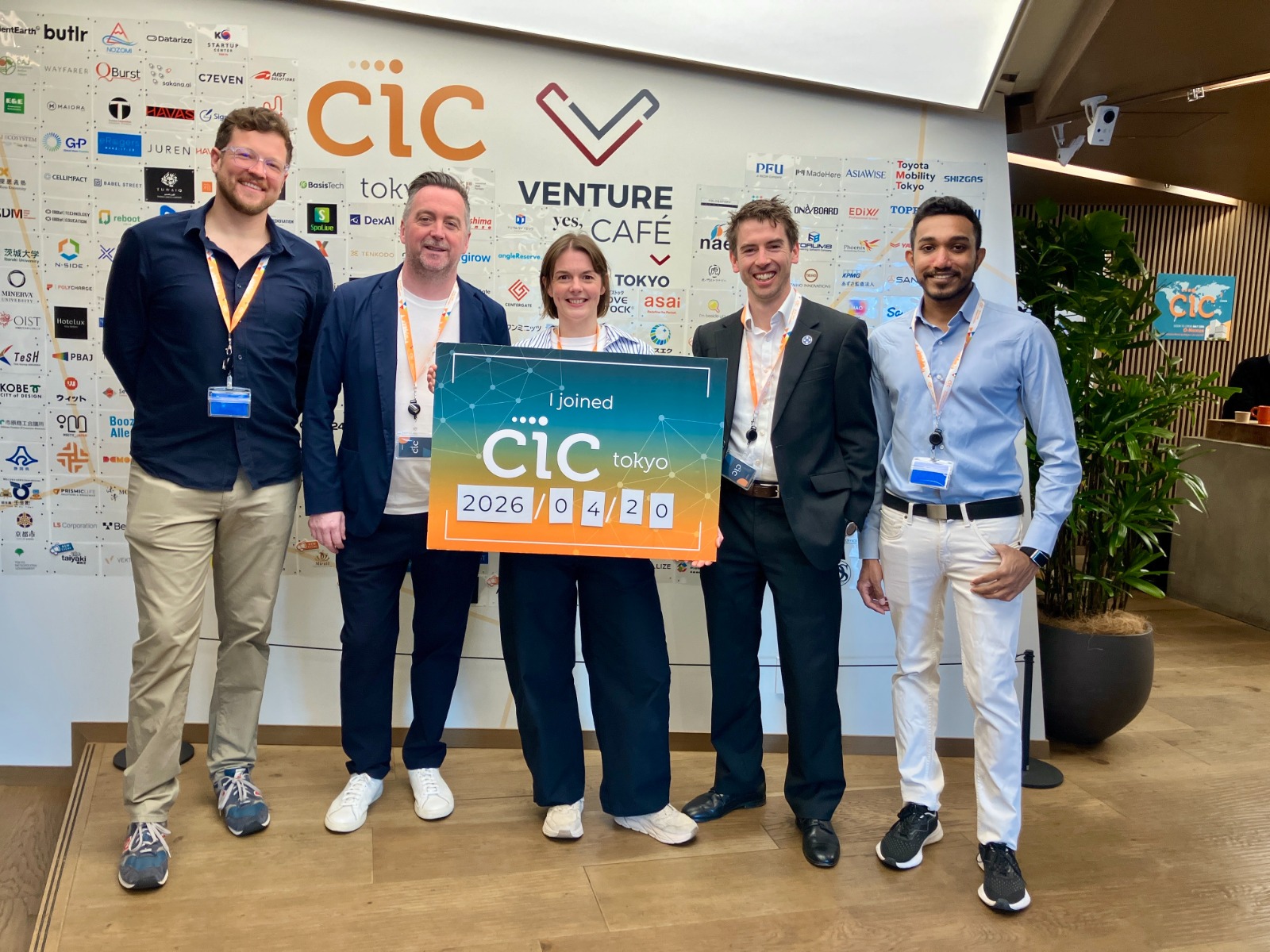
The Techscaler Japan mission came at a moment when Weeteq already had the threads in place: an automotive project underway, early conversations started with Japanese semiconductor and industrial motor drive players. What it delivered was the chance to pull those threads into something real.
Five meetings were secured before the plane even landed.
Two of those meetings proved immediately consequential. One, a Kyoto-based manufacturer, was relationship-driven in the way that's common in Japan, where face-to-face isn't just preferred, it's essential. They agreed in principle to pilot projects, now confirmed for mid-July. Another, a major Japanese industrial and healthcare multinational, progressed to early due diligence, with a view to joining Weeteq's current investment round.
A third meeting, with a major Japanese semiconductor distributor, has since evolved into an active working group focused on reference designs for power inverter and data centre applications. The momentum from all three came from the pathways that led to these rooms.
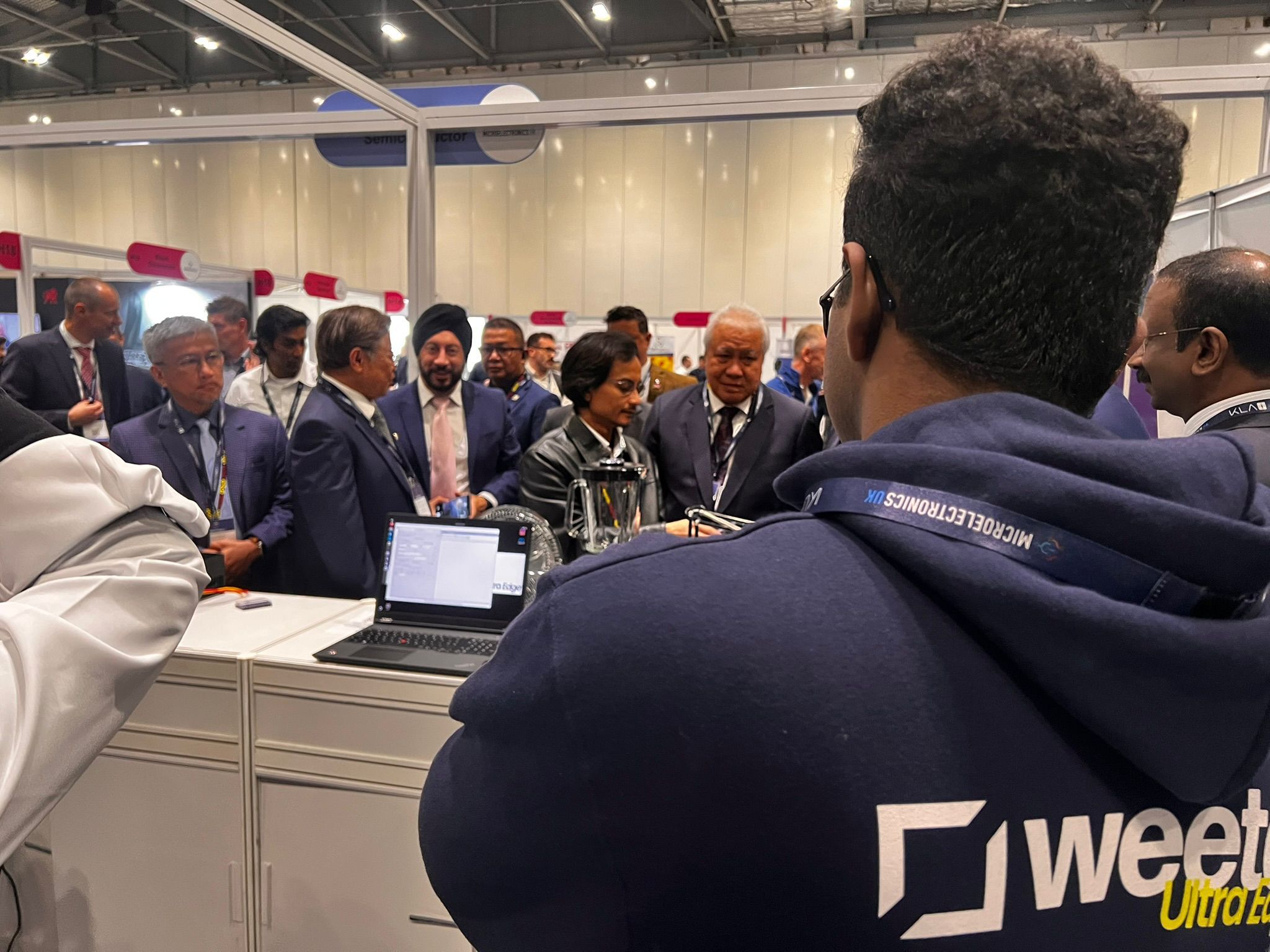
Beyond Japan, what Weeteq found in Techscaler was something harder to quantify but no less valuable: the relief of not being isolated.
Martin describes it plainly: when you're inside a small team, wearing every hat and chasing every lead, it's easy to think you're covering all the ground. It takes an outside perspective, ideally from someone who's already made the mistakes, to see where you're not.
The Entrepreneurs in Residence (EIR) relationships brought exactly that. Alan, in particular, offered the kind of candid, recent experience that isn't available in a manual. Not just what went right, but what tripped people up, what he wouldn't do again. That kind of insight doesn't eliminate the hard lessons, but it means you go in with your eyes open. (Bonus: Click here to hear from EIR Andrew McGinley in our latest episode of The Blueprint)
And then there was CoreWeave. When the company came to CodeBase for a roundtable, Weeteq were in the room. It was the sort of opportunity that simply doesn't reach you if you're not embedded in an ecosystem with its finger on the pulse. The conversation was positive; the relationship is still developing. But Martin knows those people now, in a way he wouldn't without CodeBase and Techscaler.
The community dimension mattered too: the sense of being surrounded by founders at similar stages, all carrying some version of the same ambitions, all proud to be building from Scotland.
The visit to Japan changed the speed at which things were moving for Weeteq.
A pilot project with a Kyoto-based semiconductor manufacturer is now confirmed and scheduled for mid-July. A major Japanese industrial and healthcare multinational has entered early due diligence with a view to joining Weeteq's current seed round. A major Japanese electronics distributor is actively working with the team on reference designs for data centre power applications. With an existing automotive customer in Japan already on board, Weeteq now has a meaningful cluster of Japanese relationships that simply didn't exist in that form before the trip.
Alongside the Japan outcomes, the CoreWeave connection, facilitated by CodeBase, has kept Weeteq visible in the UK data centre conversation. And with a £1.5 million seed round now closing, the team is ready to double headcount and move into the next phase of growth, with eyes on markets in Central Europe and the US.


Techscaler, delivered by CodeBase, gave Weeteq more than a trip to Japan. It gave a bootstrapped, specialist deep tech team access to the kind of network, mentorship, and timely visibility that's genuinely difficult to build alone.
For Martin, the lasting impression is simple: you can't always see clearly from the inside. Having experienced founders and EIRs willing to share what went wrong — not just what went right — shifts how you think about the decisions in front of you. And being part of a community that's collectively invested in making Scotland a place where ambitious tech companies can grow? That adds up.
For founders weighing whether to get involved, Martin's answer is unequivocal.
Follow Weeteq on LinkedIn for updates on product developments, commercial milestones, and international expansion.


.svg)