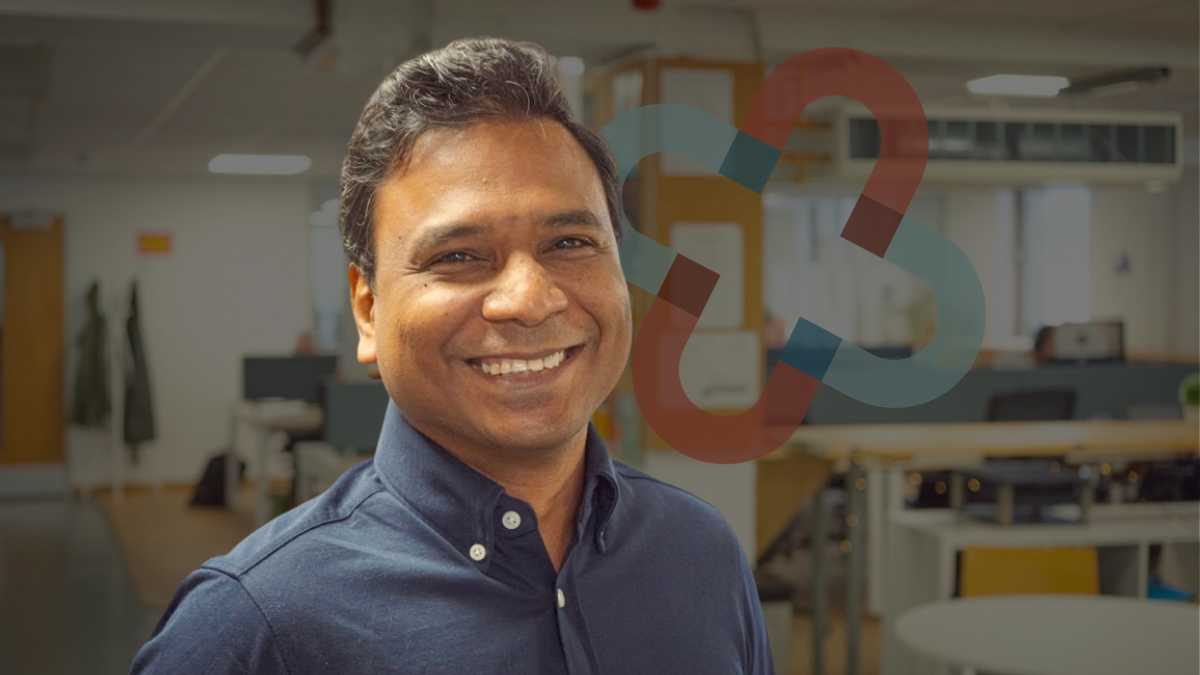

Vidai is a Glasgow-based company building what its co-founder, Nagu Gopalakrishnan, calls a control room for organisations using AI. It lets a business see how AI is being used across its teams and what data is leaving the organisation, while keeping the freedom to work with any model.
Nagu brings more than 20 years of product and engineering experience, including a role at Amazon where he helped deliver a large regulatory implementation and saw how much effort new regulation demands from product teams. He started Vidai in September 2025 with his co-founder, Dr. Sivapriya, who is also his wife, and the company released its free community edition in June 2026.
Through Techscaler, delivered by CodeBase, Nagu has worked with Entrepreneurs in Residence and travelled to New York with the June 2026 cohort of the Techscaler International Programme. He has also joined CodeBase events that brought founders together with AI infrastructure providers and Y Combinator alumni.
This is a case study on building deliberately and finding the right people to travel with.

The idea for Vidai came from two directions at once. At Amazon, Nagu worked on a large regulatory implementation and saw close to 80% of his teams' effort go into addressing it. He expected AI to bring the same demands to organisations without Amazon's resources.
His co-founder saw a parallel concern in academia, where researchers were putting new ideas into AI tools and questioning whether the value of that work was leaking out. The two met at college 25 years ago and have been married for 23. Both had founded startups before, and they set up a small AI lab at home to build a proof of concept together.

Nagu and his co-founder came to Techscaler as second-time founders, carrying the lessons of earlier ventures. They had defined regulated industries as their ideal customer and saw services companies as a route to distribution. The value they sought next was an outside perspective from people who had built companies before.
Having put everything into the venture together, they were selective about capital and wanted investors prepared to commit to the same journey. Nagu had first met Techscaler at a coffee evening in Stirling, and returned once the product was taking shape to find Scotland's founder community and experienced mentors brought together in one place.


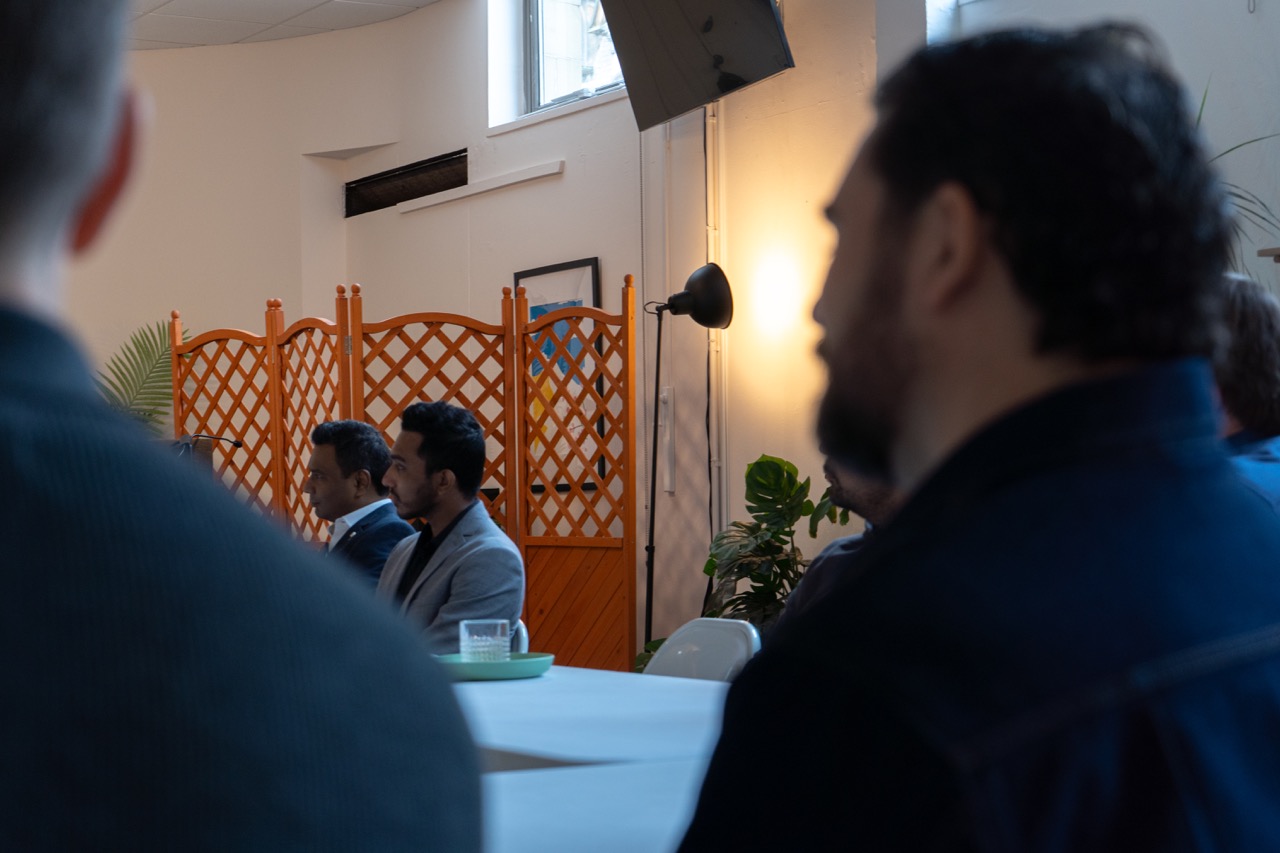
When Vidai got underway, Nagu wrote to the Techscaler team and was invited in to meet some of its senior leaders. What stood out was the Entrepreneurs in Residence, founders who have built companies themselves and understand the journey from the inside. Conversations with EIR Sarah became a sounding board where ideas could be questioned and refined in a spirit of improvement, and Nagu describes the relationship as peer-to-peer. The EIRs also offered warm introductions that opened new investor discussions. For Nagu, that foundation of support is the underrated part of Techscaler, and it is one he has not found in other cohorts.
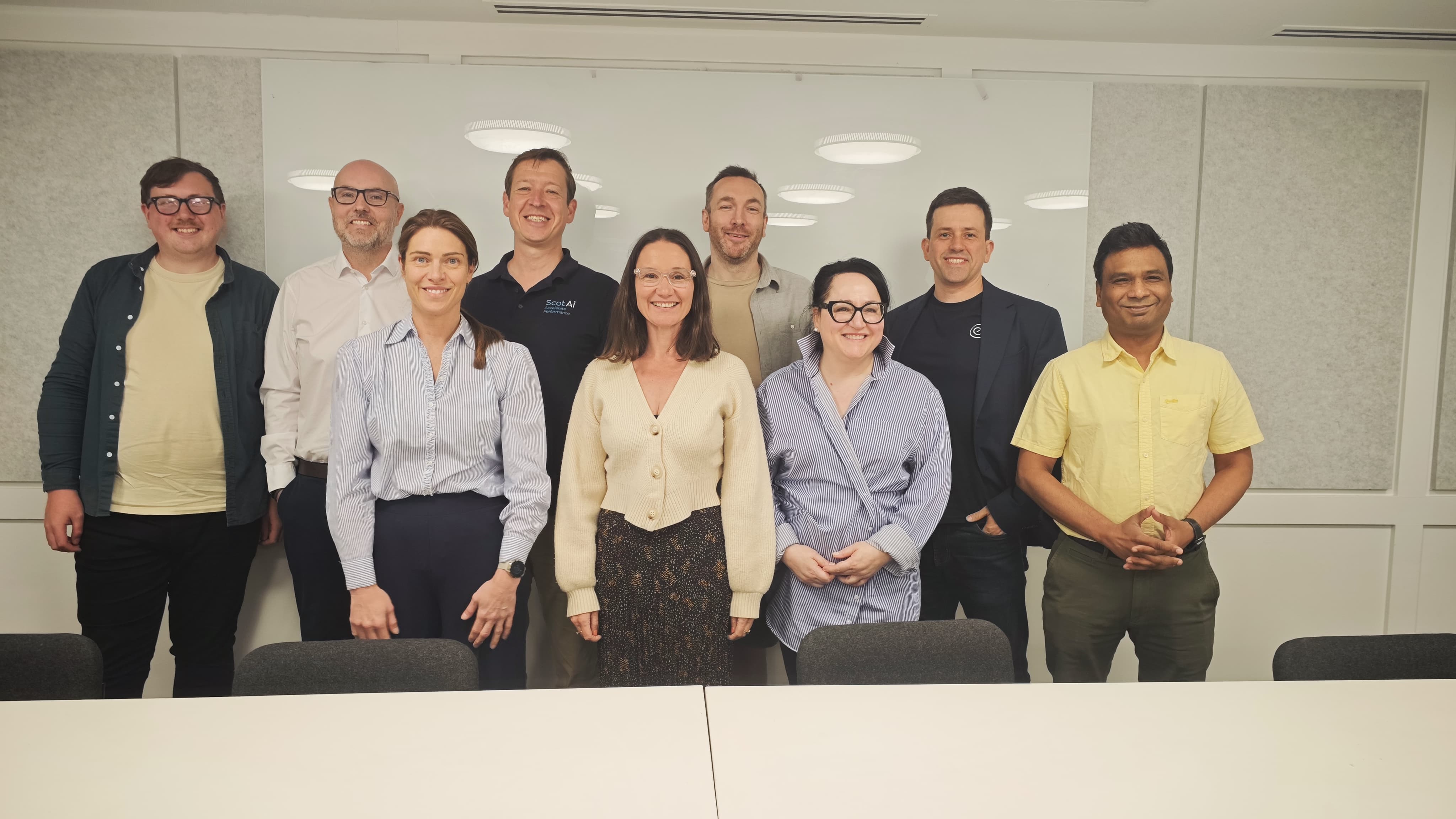
The programme's events each shifted Vidai's thinking. At CodeBase's event with CoreWeave, a conversation about collaboration revealed data centre providers as a new segment, and Nagu is now in discussions with several of them. A dinner with Y Combinator alumni Naz Malik and Tom Walkinshaw prompted him to restructure his calendar so that customer conversations sit alongside product work, and to treat an investor's no as feedback on timing and story.
In New York, Vidai joined Techscaler's June 2026 cohort during a16z Tech Week, where Nagu found US buyers quick to grasp governance and met prospects he had not anticipated, including a social media company now running trials. He returned with new advisory contacts and at least six deeper investor tracks with US VCs.
Vidai is now in a period of focused customer building. The company released its free community edition in June 2026 and downloads have followed, while corporate pilots run across industries worldwide. Interest has widened beyond regulated sectors, and services companies in India and the Middle East are exploring Vidai as a route into AI for their customers.
Nagu now pitches each market on its own terms, leading with cost governance in the US and with compliance in the UK and Europe.
The team stays deliberately lean at two, and the partnership is a strength. She plans and executes while he works best to a deadline, with disagreements settled in writing on their merits. Investors in the UK and Europe read a married founding team as a sign of stability, and a Series A is the aim in around 18 months.



Nagu's advice to founders weighing up Techscaler is to engage as early as possible. For him, the lasting value sits in the people: Entrepreneurs in Residence who listen without judgement and fellow founders who become friends for the journey. Investor connections and events build on that base.
For partners across government and industry, Vidai's story shows what experienced operators can build from Scotland with founder-led support around them.
Follow Vidai on LinkedIn for updates on product releases and international growth.



.svg)