
NeuroCreate sits at the intersection of AI, neuroscience and design, founded by Dr. Shama Rahman to help people access “flow”, a creative peak-performance state linked to better mood, focus and output. After years of research into the neuroscience of creativity, Dr. Shama identified a signature brain pattern associated with flow, then built a company to translate that discovery into everyday tools.
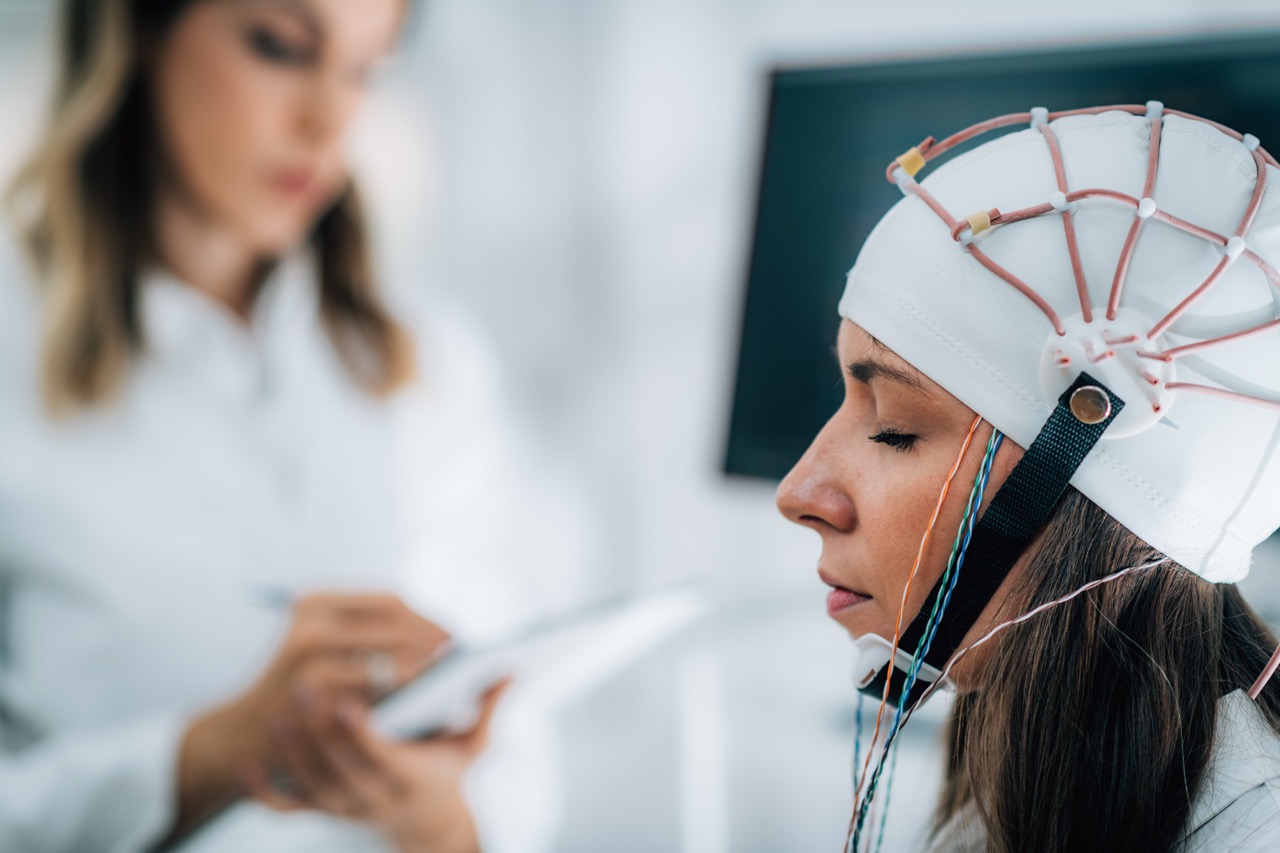
NeuroCreate is developing an AI-powered platform that can detect flow in real time using brain-sensing wearables, extracting signals from consumer-grade electrodes rather than building new hardware. The ambition is accessible brain health embedded into daily work, with “playful, joyful” augmentation that supports creativity and cognitive flexibility.
As an academic founder turning complex research into product, Dr. Shama joined Techscaler’s Silicon Valley programme to pressure-test the opportunity, sharpen fundraising approach, and deepen her network. This case study explores what happens when deep discovery meets structured ecosystem support, and how Techscaler, delivered by CodeBase, helped NeuroCreate move with more clarity, connection and global intent in a fast-changing AI market.

Dr Rahman’s route to NeuroCreate began in the lab and on stage. A neuroscientist and practising musician and artist, she wanted to integrate the “two directions” pulling at her work. Creativity became the measurable window into consciousness, and her PhD work uncovered an electrical signature linked to the flow state.
NeuroCreate was built on that insight: helping knowledge workers and creative professionals access flow more reliably. The team’s core challenge has been translating complex brain signals into something usable, without requiring specialist hardware, so the science can live where people already work and create. Today, they use brain-sensing wearables and AI signal extraction to detect flow for everyday users.

Before Techscaler, NeuroCreate had strong science and a clear ambition, but the journey was shaped by timing and market fit. Incorporated in 2017, the team was far ahead of the market curve. COVID further disrupted the gathering momentum when a Digital Catapult demo day was followed by lockdown the next day. Positioning was also complex, sitting between healthcare, productivity and creative health as those boundaries only recently began to blur.
Fundraising added another complex layer. Raising larger rounds has been difficult, particularly as a woman of colour building in STEAM (Science, Technology, Engineering, Arts and Mathematics) and AI. Even after an SEIS raise, next step meant proving traction narrative.


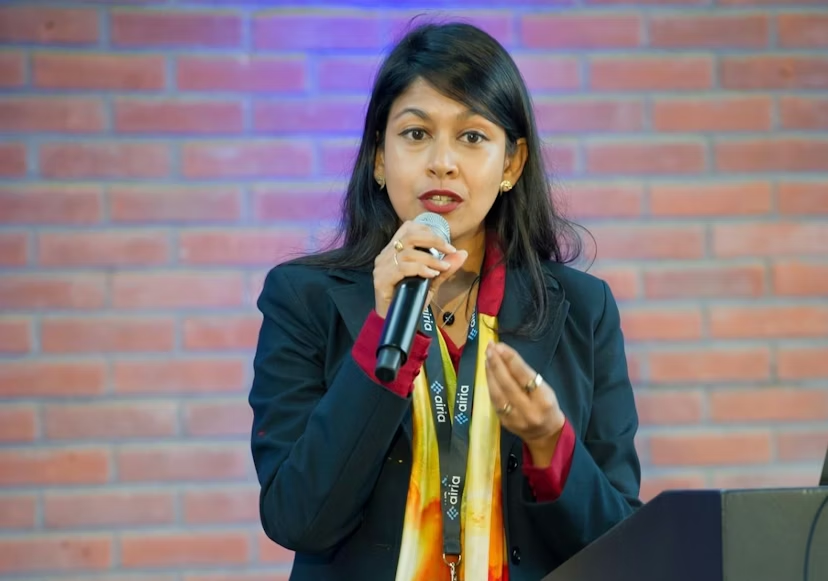
Joining Techscaler’s Silicon Valley programme gave NeuroCreate a clearer external reference point. For Dr. Shama, it was of significant use being a part of the cohort because fundraising in the Valley is built on presence. Investors expect founders to be available and responsive.
Being on the ground also provided exposure to the pace of change within the AI landscape and how investor conversations take place in that context.
One of Techscaler’s key values were in the ongoing community layer. Dr. Shama highlighted how being embedded in the community was valuable, giving her consistent contact with founders, peer insight, and a route to new opportunities. She pointed to Venture Forward as something that came directly from this immersion alongside the simple compounding effect of staying connected.
That continuity is often underestimated in the general arc of a founder's journey. NeuroCreate is operating across AI, health and creative technology, where partnerships, pilots and funding rarely follow a straight line, especially at early stage. Techscaler’s founder network created a trusted space to share context, compare notes, and keep momentum through long cycles. As Dr. Shama put it: “We’re still in touch as founders; we root for each other. That support matters.”
Following the involvement with Techscaler, NeuroCreate has been translating research into deployable products and clearer pathways to scale. The team is building a modular platform with three digital therapeutics, designed to support flow, creativity and cognitive flexibility. One SaaS product is already live with paying design partners, giving early commercial validation alongside ongoing R&D.
On the funding side, NeuroCreate raised an SEIS round in 2022, secured UK and EU grants, and AHRC commercialisation funding. Dr. Shama is now fundraising for a $2.5m seed round, while preparing for clinical studies and beta testing with NHS Grampian around ADHD. The roadmap also includes wearable prototyping and applications to programmes such as NIHR and Biomedical Catalyst, keeping the science grounded in real-world evidence and adoption.
The relationships built through Techscaler did not end with the programme. Founder connections continued, and new opportunities emerged directly from that network.


For Dr. Shama, Techscaler’s impact was both practical and cultural: exposure to Silicon Valley sharpened how NeuroCreate approached fundraising, while the day-to-day community created relationships that continue to open doors. That combination reflects CodeBase’s vision of a supportive ecosystem: well-connected networks of founders, mentors and opportunities that accelerate decisions, not just activity.
Her lesson for founders considering similar support is simple: choose programmes that give you access, and a community you can stay close to over the long-term.


.png)

.svg)