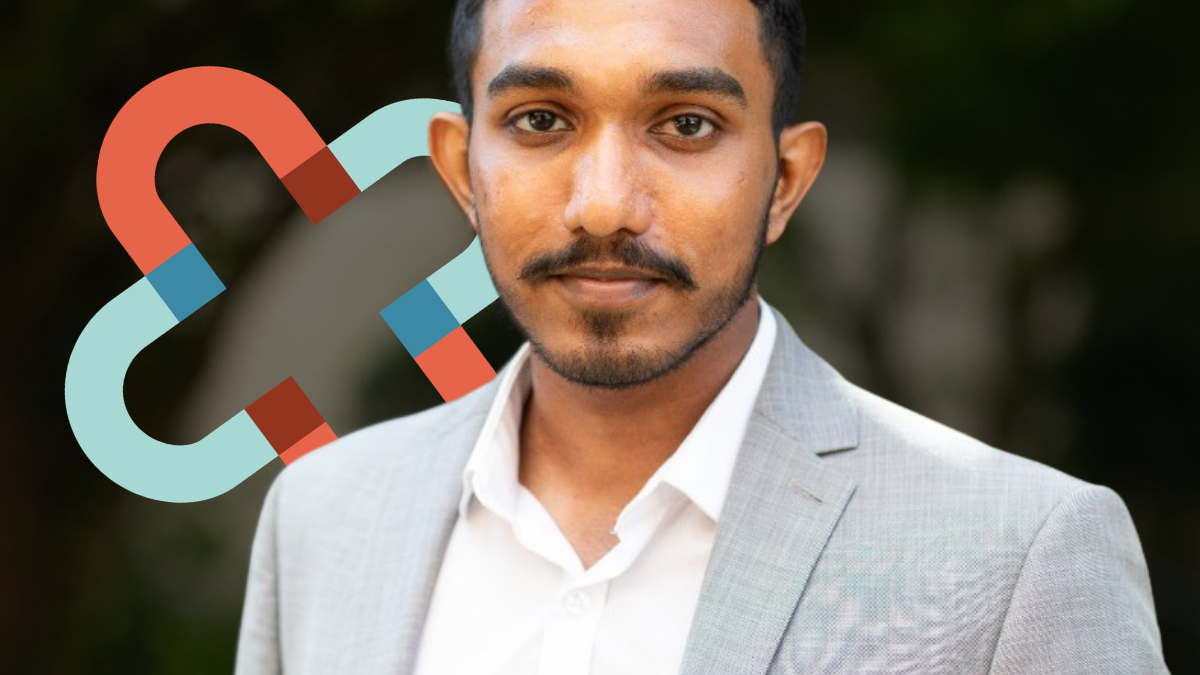
RideScan is a robotics safety company built on a simple and timely idea: robots fail quietly, and someone needs to catch that before people get hurt. At its center is founder and CEO Dr. Shivoh Chirayil Nandakumar, whose PhD in AI robotics led to invitations to present at Cambridge and Oxford and gave him a close-up view of how often autonomous systems break down in ways nobody notices until it's too late.
What began as academic research turned into a venture once Shivoh moved through incubators at the University of Edinburgh and London Business School, where the commercial case for independent robot monitoring became clear. RideScan now works with UK customers to flag whether a fault sits with the robot itself or with something external, a distinction that matters once machines start operating in public spaces.
Support from Techscaler, delivered by CodeBase, helped Shivoh build the relationships and confidence to take that work further afield, particularly through a trade mission to Japan.
This is a case study on patient research becoming a product, and a product becoming a global ambition.

RideScan's roots sit in a PhD project on AI robotics. Shivoh spent over a decade close to humanoids, industrial arms, and autonomous systems, and kept noticing the same gap: a robot could finish its task and still hide a problem along the way.
Early academic interest, including invitations to present at Cambridge and Oxford, confirmed the problem was real and unsolved.
The shift from research to product ran through venture builder programmes at the University of Edinburgh and London Business School, where Shivoh shaped that insight into a commercial offering. RideScan's first UK customer needed exactly this: a way to tell whether a fault was the robot's own doing.
Before Techscaler, RideScan had real traction but not yet the network to match its ambition. As an early-stage deep-tech company built by a technical founder, Shivoh was navigating commercial strategy, team growth, and financial planning largely on his own, with few experienced advisors close at hand who understood AI robotics specifically.
The business was also eyeing international markets, particularly Japan, where prior relationships existed but needed reinforcing in person. Shivoh recognised that scaling a safety-critical product would take more than good engineering. It would take structured guidance, a wider commercial network, and a route into markets RideScan had not yet tested directly.


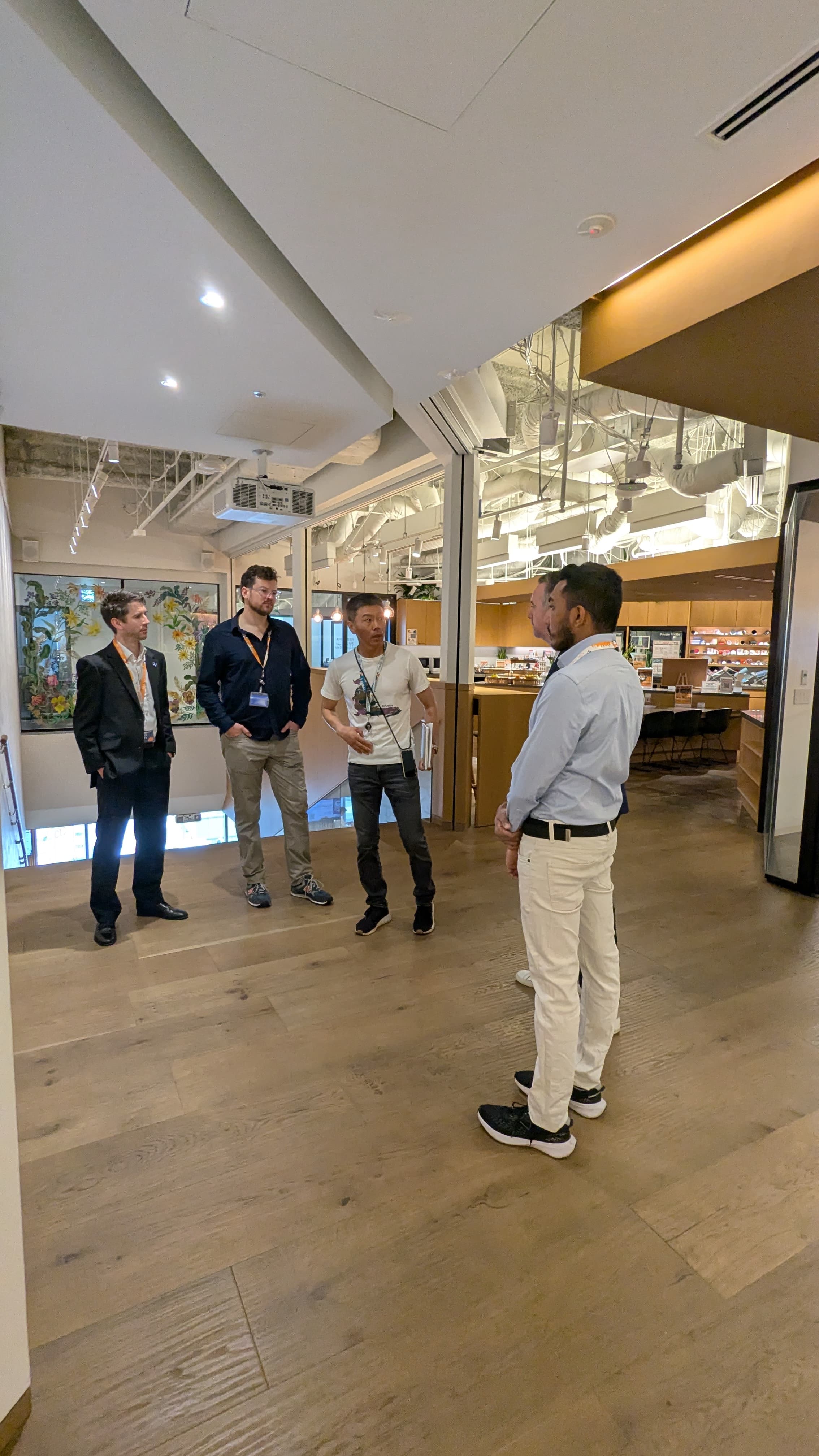
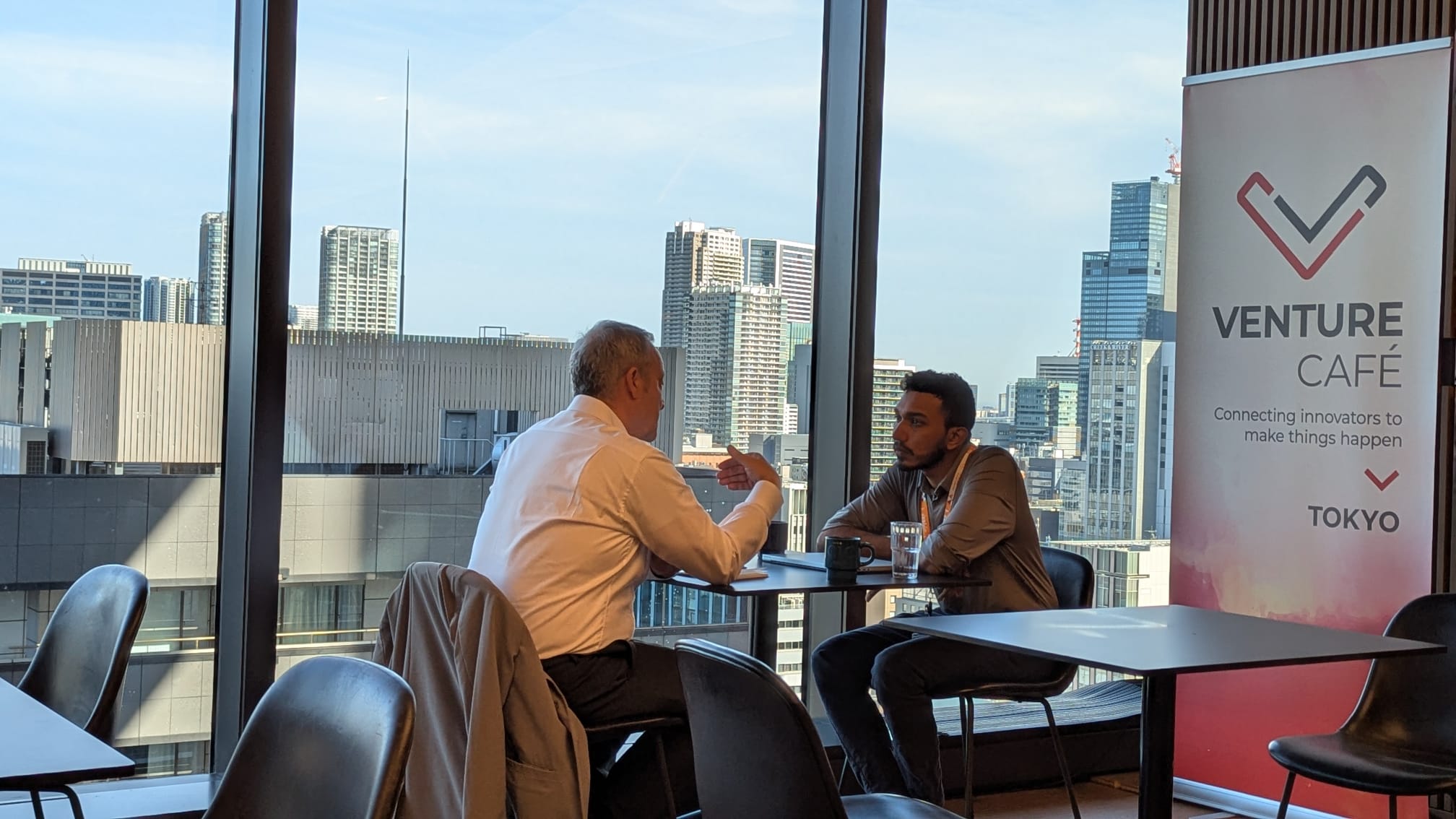
Techscaler's support around RideScan's April visit to Japan landed at exactly the right moment. Shivoh had already laid groundwork in January through a separate UK government trade mission, and this second visit was about turning those early conversations into something firmer. Techscaler organised structured office space in Japan, giving RideScan a base to schedule meetings that hadn't been possible on the first trip. That access proved decisive. It let Shivoh sit down with contacts he'd met briefly before, and confirmed something he'd suspected but hadn't yet tested: there is a genuine market for RideScan's technology in Japan.
Beyond the Japan trip, Shivoh's experience with CodeBase ran through several touchpoints over time. Earlier programmes, including Creative Informatics' Creative Bridge and Startup Next Steps (Now Catalyst), introduced commercial fundamentals he hadn't met during his PhD, things like customer discovery and financial structuring.
Mentorship through the Entrepreneurs in Residence programme added another layer. Ongoing conversations with EIR Allan Cannon gave Shivoh a sounding board for business strategy, both around the Japan trip and since, with further sessions planned. Shivoh also drew value from the peer community, describing the comfort of being surrounded by founders facing similar pressures, even if the deeper shaping of decisions came from mentors with direct experience.
Together, these strands gave RideScan both practical grounding and a wider network to grow into.
Since the Japan trip, RideScan has moved from early conversations into real commercial momentum. RideScan is now running a six-month trial with a Japanese sensor manufacturer that builds hardware Shivoh describes as the physical half of the Fitbit idea, something that could eventually attach directly to a robot rather than just reading its data. Two deals have also closed through a Japanese distribution partner that recorded revenues of over $7 billion last year, and talks are ongoing with a major Japanese systems integrator.
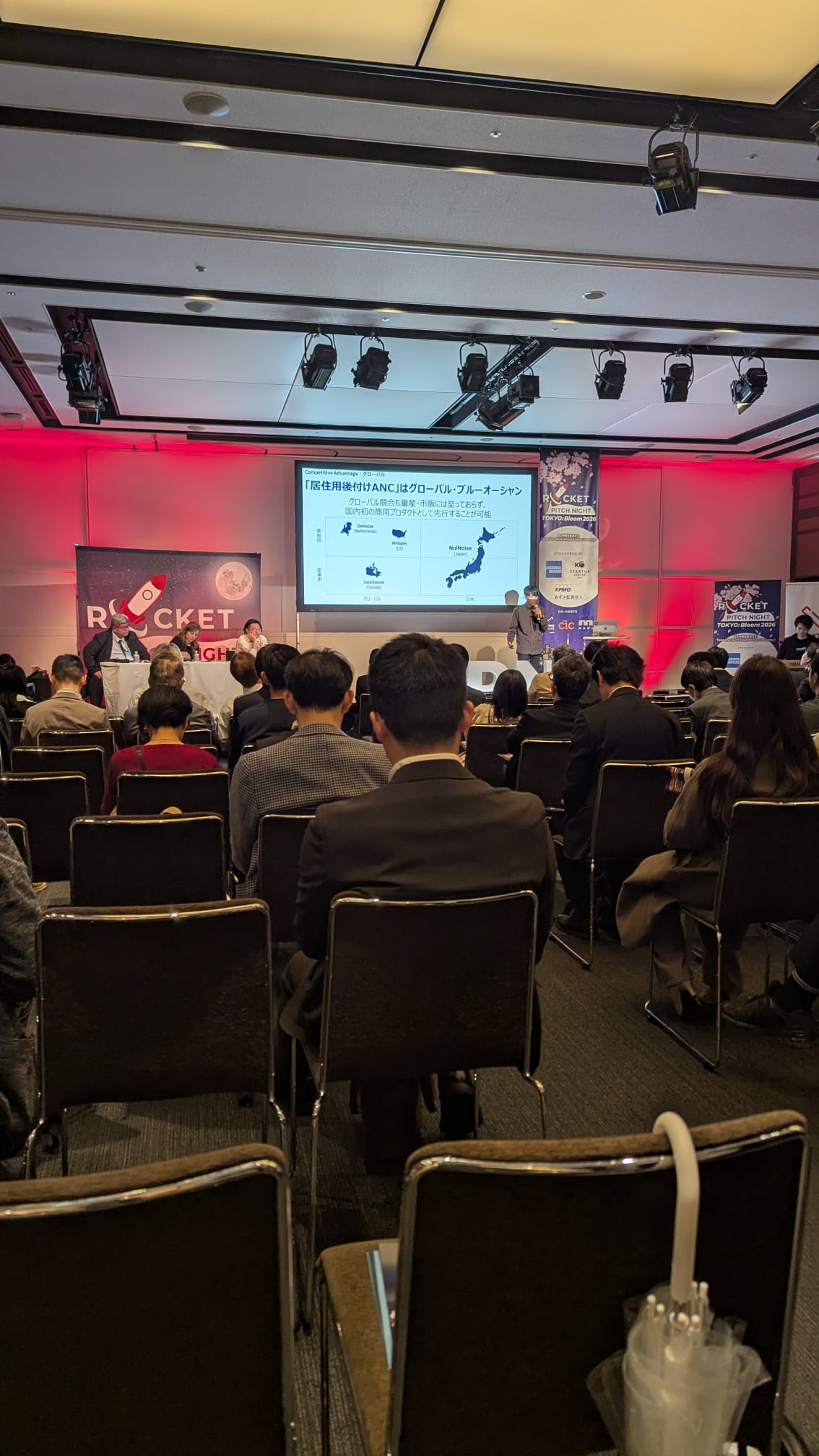
One of those deals came together in an unplanned way. Shivoh had been selected to present on the Innovation Stage at ICRA, widely considered the most prestigious conference in robotics, in Austria. A contact from the distribution partner, someone he'd met in Japan, happened to be in the audience and closed the deal with him after the talk. On the funding side, RideScan has secured angel investment from London, Spain, and Canada, alongside an Innovate UK grant and a Scottish Enterprise grant, and is now progressing a priced funding round with strong investor interest already in due diligence. With contracts moving toward deployment, the next twelve months are about proving the technology at scale.


Techscaler, delivered by CodeBase, gave Shivoh structured international exposure, mentorship through Allan and the Entrepreneurs in Residence programme, and a peer community that made the early grind feel less solitary, even as the real shaping of decisions came from those who'd built and sold companies before him.
For other ecosystem builders, RideScan's story is a reminder that deep-tech founders need both technical runway and commercial scaffolding to scale internationally.


.png)


.svg)