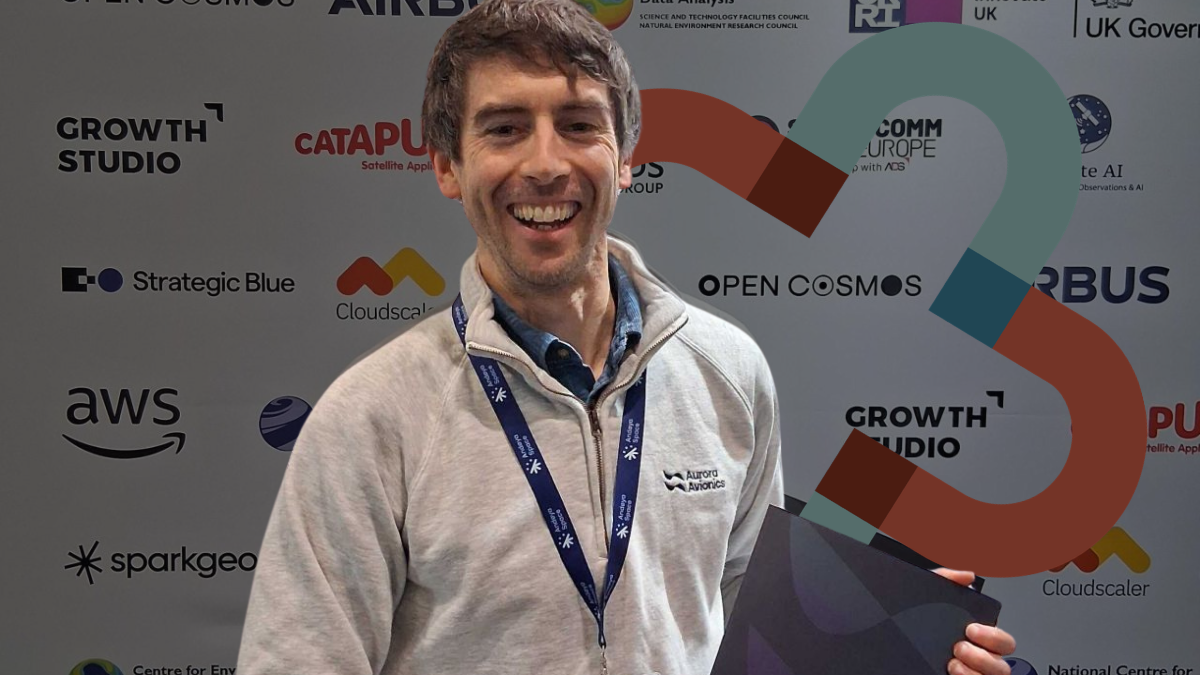
Aurora Avionics builds the electronics that tell a rocket or satellite what it is doing and where it is going. At its centre are co-founders Oren Smith Carpenter and Rowland Fraser, who met while working at Orbex in the Highlands and struck out on their own once they saw small launch companies in-housing avionics at huge cost between every flight.
Their answer was a modular, plug-and-play stack that lets other space companies skip that expensive rebuild. Myles Bax joined as Aurora's first commercial hire after spotting the team through a Techscaler feature of Ones to Watch, and his job since has been putting that product in front of the companies that need it most.
That outreach has carried Aurora from early conversations across Western Europe to a first deal in Taiwan, with Japan close behind. Support from Techscaler, delivered by CodeBase, played a part in that push, particularly through a two-week market visit to Tokyo.
This is a case study on building global from day one, and on why being based in Scotland never had to mean thinking small.

The seeds of Aurora Avionics were planted at Orbex, the rocket company based in forests near Inverness where Oren and Rowland first worked together. When Orbex wound down, the pair saw an opening rather than a setback. They had watched small launch vehicle companies in-house their entire avionics build, rewiring whole systems for every new mission at huge cost and with little room for error.
So they founded Aurora Avionics roughly three years ago to build something different: a plug-and-play, Lego-like system that other space companies could simply stack and integrate. That decision turned two electronics specialists into the backbone suppliers for a growing international launch market.
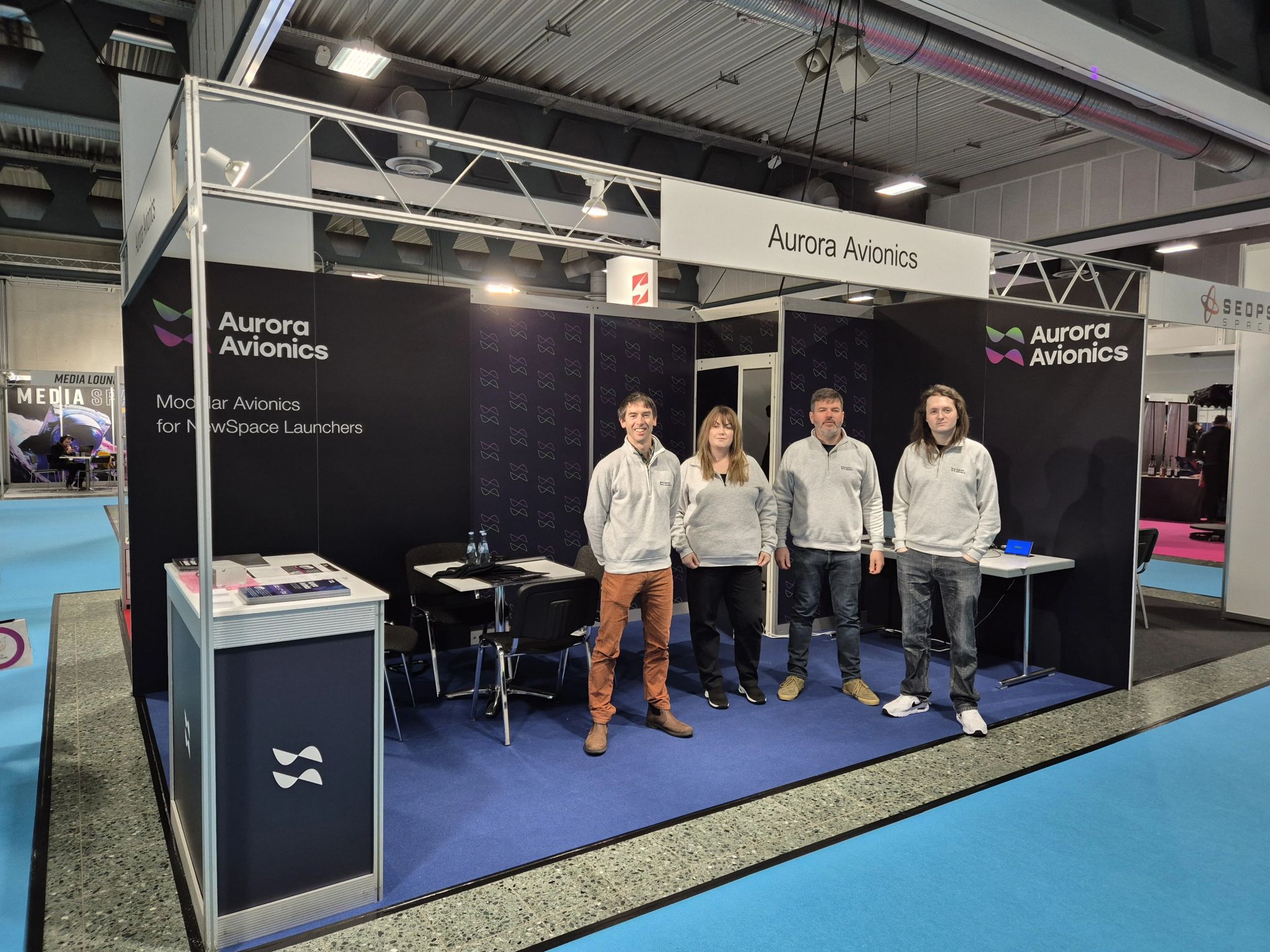
Before joining Techscaler, Aurora Avionics had a strong product and a clear gap in the market, but it was still finding its footing internationally. Myles Bax, the company's first commercial hire, was working through a familiar set of priorities: a fundraise that needed careful management of resource, a customer base built entirely overseas, and a need for first-hand presence in the Asian markets already showing interest in what Aurora had built.
Getting in front of the right people abroad takes travel, and travel takes planning when resource is being managed carefully through a fundraise. Techscaler offered a way to close that gap.


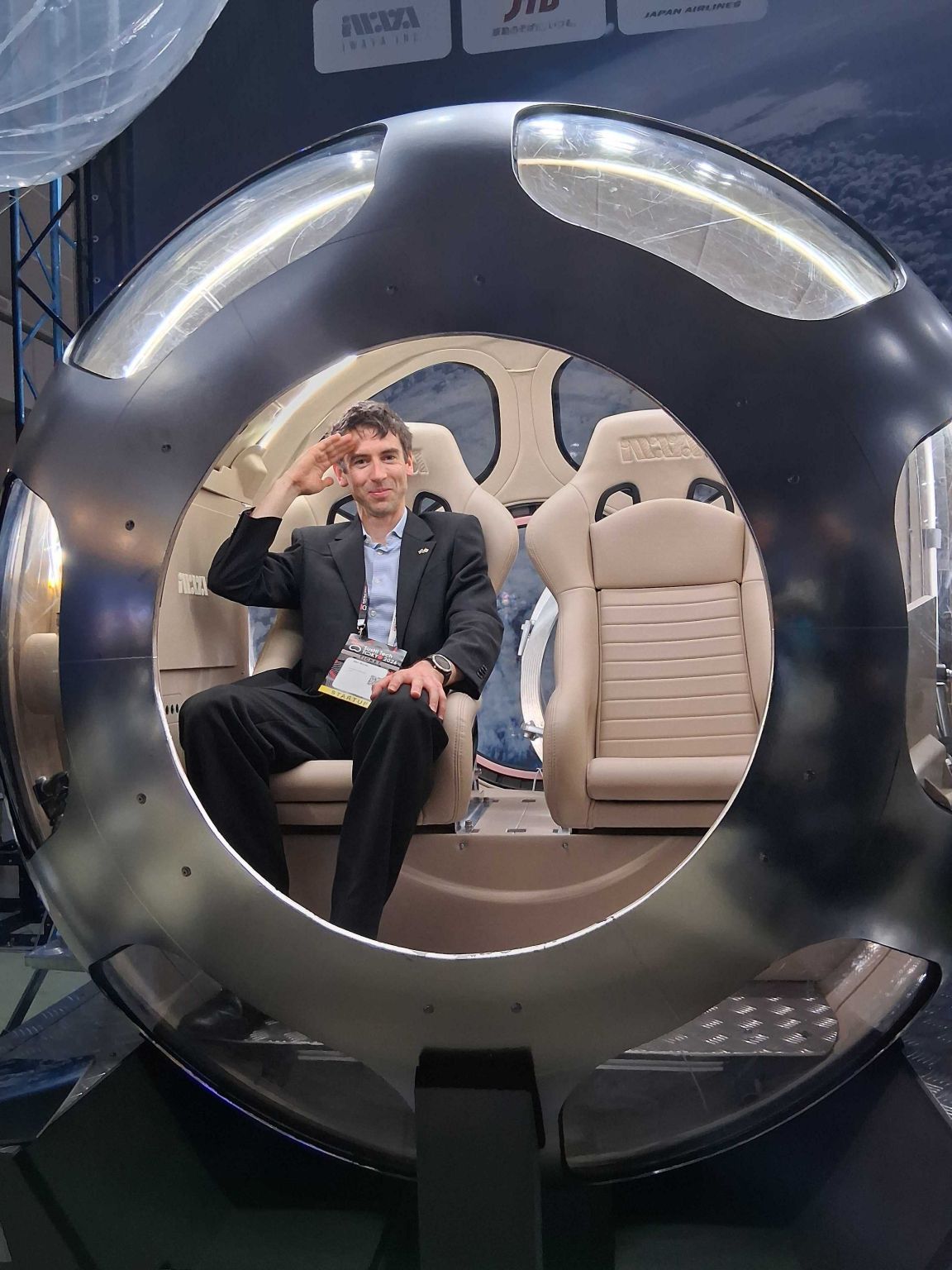
Myles's relationship with Techscaler began before he even joined the company. He spotted Aurora Avionics through a Techscaler "ones to watch" feature early in the founders' journey, and that visibility first put the team on his radar as somewhere worth joining. It built on ground he already knew well: a decade in Edinburgh's startup scene, including time at Scottish EDGE, a fellow Techscaler and CodeBase partner providing grants and loans to early-stage founders, gave him a clear read on the ecosystem long before Aurora came into view.
Once he came on board, the relationship deepened. CodeBase's Entrepreneurs in Residence, Allan Cannon and Hannah, became regular sounding boards as Aurora built its commercial strategy, reinforcing one piece of advice in particular: think global from day one rather than starting local. Myles now mentors other Techscaler founders himself, a role that keeps him close to the same challenges from the other side of the table. For a company with no domestic customers, the advice he had absorbed described how Aurora was already operating.
.jpeg)
The clearest example of that advice in action was Techscaler's international programme to Japan. Aurora spent two weeks in Tokyo at a point when the trip would otherwise have competed for time and focus against the fundraise itself. The trip opened conversations with more than fifteen market-qualified, sales-qualified leads, far more ground than Aurora could have covered from Edinburgh in the same window.
It also taught the team something a briefing document never could: how much weight a face-to-face meeting carries in Japanese business culture, and how that formality shapes everything that follows. Entrepreneurs in residence were on hand throughout, helping the team think through next steps in real time rather than after the fact. The trip left Aurora with a clearer route into the APAC region and the confidence to keep pursuing it.
Since the Japan trip, Aurora Avionics has kept building on that momentum. The company signed its first APAC deal with TASA, the Taiwanese Space Agency, a milestone that followed directly from the groundwork laid in Tokyo, and Japan itself is now forecast as Aurora's next win in the region. Customers in Spain, France and Germany are already ordering and using Aurora's modules, and the team is currently raising a fresh investment round to fund the next stage of growth.
The company has grown from six employees to fourteen, with plans to reach twenty by year end. From the third quarter of this year, Aurora hardware will fly for the first time, on a mission with the German Space Agency and another with Atmos Space Cargo aboard a SpaceX launch.


Techscaler, delivered by CodeBase, gave Aurora Avionics a way to test global ambition against the realities of a new market, backed by mentors who had made similar journeys themselves. His advice to the wider ecosystem is direct: take more risks on the founders already building here, and move faster once the opportunity is right in front of you.
Follow Aurora Avionics on LinkedIn for updates on launches, new markets and the team's growth.





.svg)