From Dundee to Gamescom: Techscaler’s First Gaming Residency
For most early-stage game studios, the working day looks much the same: a laptop, a game engine, a long list of things to fix and very few peers to talk to about any of it.
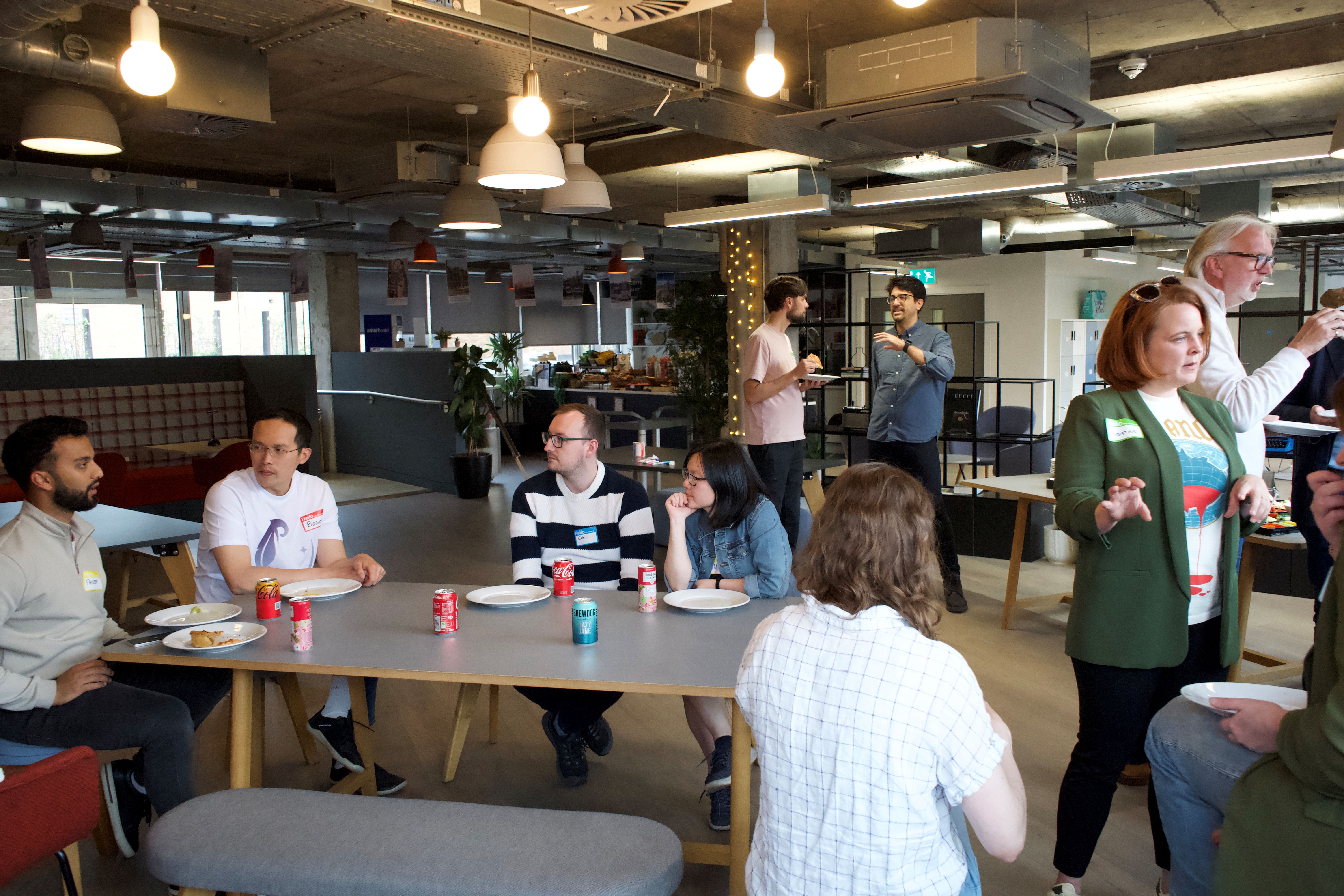
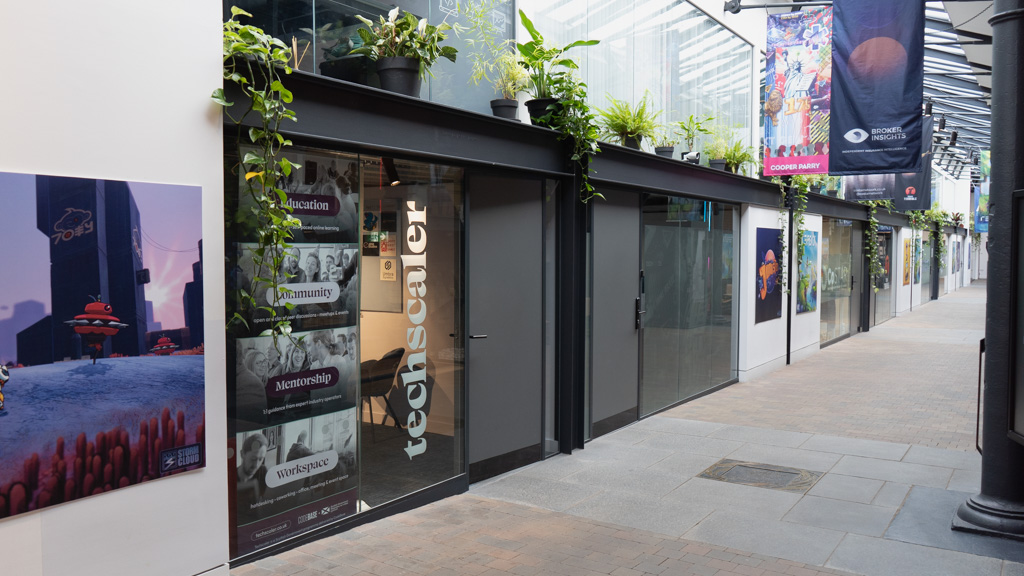
That was the starting point for five such studios this year. Then Techscaler, delivered by CodeBase, ran its first-ever gaming residency at the Tay Cities and Dundee hub at Water’s Edge. From March to August this year, the founders swapped working alone for a shared space, with desks, visitors and neighbours who understood the problems they were facing.
Here is who was in the room and what changed once they were.
Meet the cohort:
Ellen Dunsmore - Shouty Knot is an indie game studio based in Dundee, and the team that made Queen to Bee.
Chris Fotheringham, Fochram Arts
Chris Fotheringham - Fochram Arts is an independent game studio building games for emerging platforms, including WOWCube.
James Rodgers, Fish Tin Games
James Rodgers - Fish Tin Games is a Dundee game developer, and the studio that made the horror game The Zhukov Line.
Marc Williamson, Umbra Dynamics
Marc Williamson - Umbra Dynamics is a publisher that revives existing game IP, with work covering remakes, co-development, porting and technical upgrades. Check out his case study here: https://thisiscodebase.com/case-study/the-gap-nobody-saw.
John Bradley, JBSB Studios
John Bradley - JBSB Studios is a Dundee-based video game developer that uses games to make engineering and science more accessible.
What the founders took away:
Sharing a hub gave the studios more than a place to work. The hub’s constant comings and goings put them in front of people across the industry, and in a sector built on relationships, being known counts for a lot. Those visitors, along with the programme’s mentors and advisors, offered guidance, challenged ideas and made introductions, and the effect showed in the work.
Ellen says Shouty Knot saw a “night and day difference” in the look and feel of its debut game, Queen to Bee, in just six months. That progress fed into something harder to measure: confidence.
Chris Fotheringham came away with “the confidence and certainty that I can build this company and make it work.” Having somewhere to be each week helped too, especially for founders fitting their studios around other commitments.
The benefit of community:
Games are often built alone and played alone, so it is easy to underestimate what it is worth to work beside people doing the same job. Over the six months, that stopped being a side effect of the residency and became the point of it.
Chris describes the cohort as “a community of people genuinely invested in each other’s success,” supported by mentors and a wider network that offered guidance and opportunities to help grow and establish the company. The programme supplied the structure, but what he points to first is that the people around him wanted him to succeed.
Stuart Milne, Venture Ecosystem Lead at CodeBase, watched the studios develop through the residency and came to the same conclusion as the founders. “The power of community is so important,” he says. “If you find yourself in a situation where you can work together with people in the same field as you, then you should definitely do it.”
Work goes better when the people around you want it to go well. That is what we are working to build at CodeBase, a community where founders are invested in each other’s success and help is close by.
From Dundee to Cologne
In August, the cohort took what they had built in Dundee to Gamescom in Cologne, the world’s biggest games conference. They went as part of a wider group, with ten Scottish studios travelling together. Meet to Match passes put founders in front of publishers they would have struggled to reach otherwise. Ellen was able “to meet with our ideal publishers and pitch our game to them face to face.”
Those meetings led somewhere - of the 47 publisher meetings secured by the wider Gamescom cohort, 46 ended with a follow-up agreement, as did 9 of the 10 investor meetings.
Access for founders:
For the five studios in this cohort, the residency was a way into a shared workspace, to mentors and advisors, to publishers in Cologne and to a community. Creating access like this is central to the work we do at CodeBase. Techscaler is a Scottish Government programme delivered by CodeBase and the gaming residency is one example of what it can open up for founders.