Can EU-Inc strengthen Europe’s startup competitiveness?
Can Europe create the conditions for startups to build and scale global technology companies from within the region?
That question sits behind the proposed EU-Inc framework, an initiative designed to simplify how startups form, operate and expand across the European Union. The proposal aims to address a structural challenge that has shaped the European technology landscape for decades. Europe consistently produces strong founders, research institutions and early stage companies. Yet many of those businesses encounter friction when they attempt to scale across borders.
The European Union remains a large market in economic terms, but for founders it often behaves like a collection of separate jurisdictions. Establishing companies, issuing equity, hiring talent and expanding into new countries can require navigating multiple legal systems and regulatory frameworks. For startups that need speed and clarity, that fragmentation creates real barriers.
EU-Inc seeks to reduce that complexity. The concept introduces what is sometimes described as a “28th regime”, a unified framework that would sit alongside the existing 27 member states. Under this model, entrepreneurs could incorporate a company through a single EU wide process and operate under a consistent governance structure when expanding across borders.
In practical terms, that could allow startups to register companies more quickly, manage equity structures through a single framework and expand into new European markets without needing to establish separate legal subsidiaries in each country. Investors would also be able to treat companies as a single corporate entity rather than navigating different national rules.
The ambition behind the initiative is clear. Europe wants to become a place where startups can both start and scale.
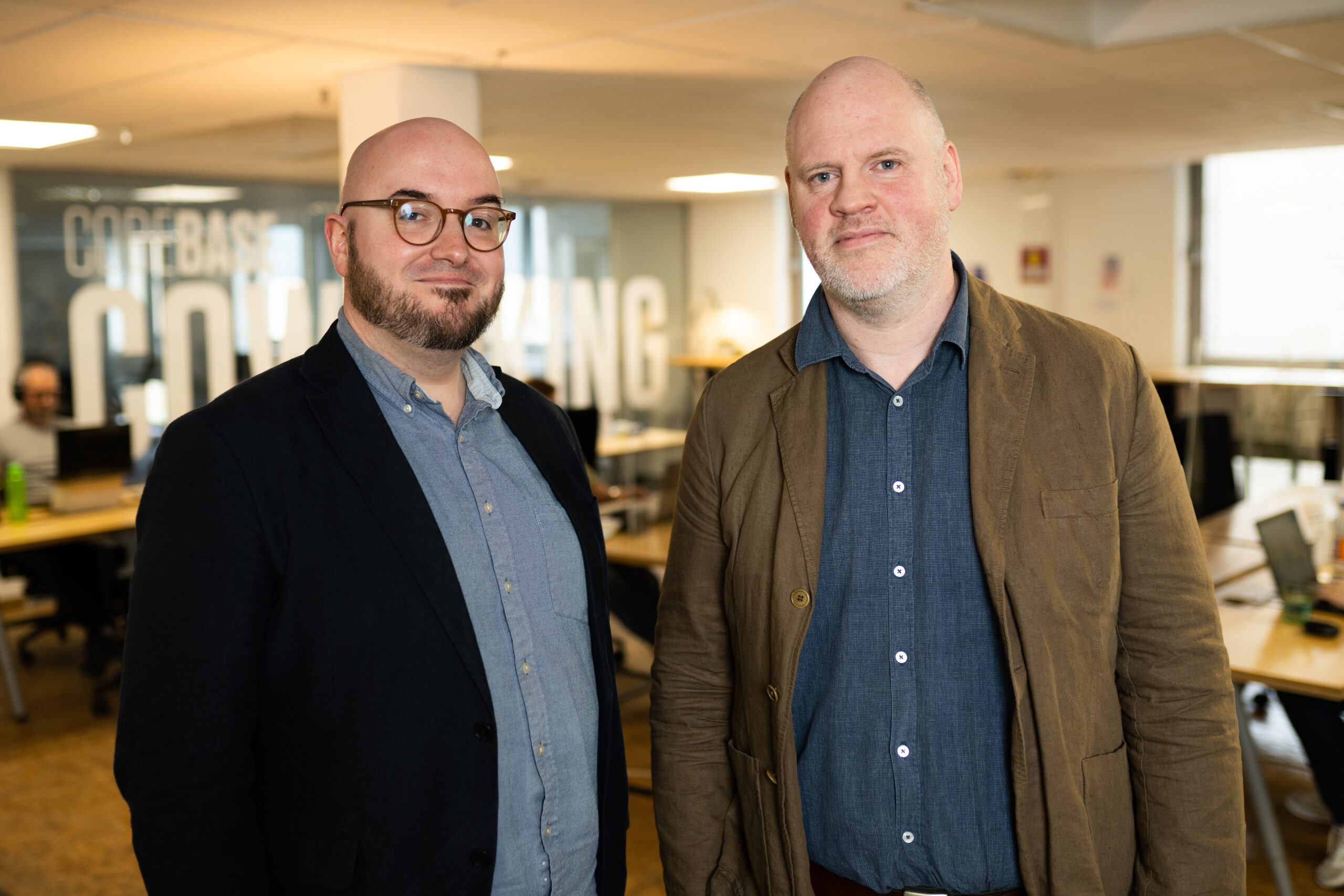
For Steven Drost, Co-Founder and Executive Vice Chairman of CodeBase, the proposal reflects a broader shift in how Europe is thinking about competitiveness.
Europe produces a large number of startups each year, often comparable to the United States in terms of company formation. The difference emerges at the scaleup stage.
Many European companies that reach growth stages relocate operations or corporate structures to the United States. Capital markets are deeper, venture funding is often easier to access and regulatory frameworks can be simpler to navigate.
EU-Inc aims to make staying and scaling in Europe a more attractive option.
If implemented effectively, a unified framework could lower operational complexity for founders while also making European companies easier for international investors to understand. Cross border hiring could become simpler. Equity incentives for employees could be more consistent. Investors could work with a clearer corporate structure.
Those changes alone will not resolve every structural challenge facing the European ecosystem. Venture capital markets remain shallower than those in the United States. The commercialisation of university research still varies widely across countries. Cultural attitudes towards risk and entrepreneurship continue to evolve.
But initiatives such as EU-Inc are significant because they address one of the most visible barriers to scale. When startups must adapt to multiple regulatory systems, expansion slows and operational costs increase.
The proposal also connects to a wider geopolitical conversation about technology sovereignty. Much of the global digital infrastructure that underpins cloud computing and artificial intelligence is currently developed outside Europe. Strengthening the region’s ability to build and scale technology companies is increasingly seen as part of a broader economic strategy.
From that perspective, EU-Inc is less about regulation and more about capability. If Europe can reduce structural friction for founders, the region has the talent, research institutions and entrepreneurial ambition needed to build globally significant technology companies.
As Drost notes, this kind of reform should be viewed as the beginning of a longer shift
“
EU-Inc could be an important stepping stone toward a more harmonised European startup ecosystem, creating better conditions for companies to grow and compete globally.
The success of the initiative will depend on how the final framework is designed and how widely it is adopted across member states. Simplicity will be critical. If the system becomes overly complex, it risks recreating the barriers it aims to remove.
For founders and investors across Europe, the coming years will reveal whether EU-Inc can translate ambition into meaningful change.
A more unified startup environment would not transform the ecosystem overnight. It could, however, create the foundations for the next generation of European technology companies to build and scale from within the region.
Content inspired by reporting and analysis from Cath Everett published in diginomica. Read here.





.svg)