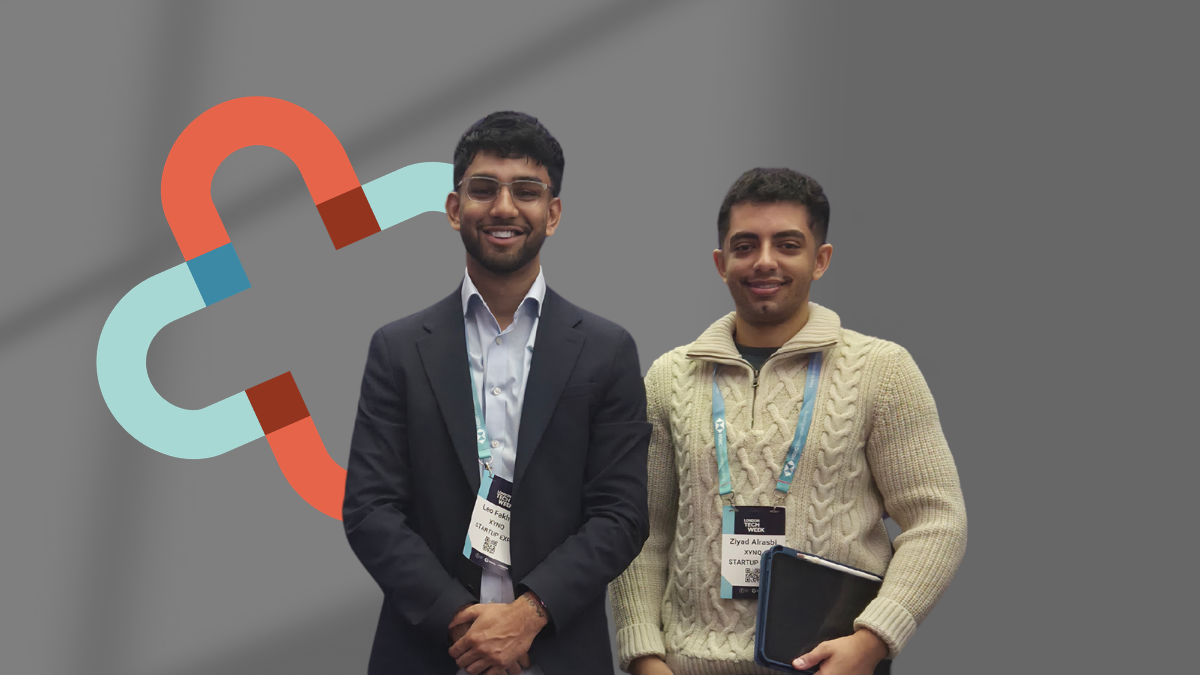
XYNQ is a regulatory infrastructure that turns the fraud calls music distributors are already required to make into a defensible paper trail, scored and evidenced for every upload.. At its centre is founder Leo Fakhrul, whose route into tech began in the music industry itself, first as a playlist curator and label owner, then as someone forced to confront how badly music data can fail the people who depend on it.
Leo and his co-founder, Ziyad Alrasbi, built Mamba Sounds, an African music record label, from a pair of Spotify playlists they made during their early years. The label grew to millions of listeners worldwide before an AI-generated song, uploaded by an impersonator, was linked to their profile and wiped out a significant chunk of the listenership. That experience exposed a problem far bigger than one label, and it became the starting point for XYNQ.
What follows is Leo's account of how he turned that setback into XYNQ, and the part Techscaler played along the way.

Mamba Sounds began almost by accident. Leo and Ziyad spent their teenage years building Spotify playlists to see who could grow the bigger following, and one gained enough of an audience that labels and artists started asking for help with their own music. What started as playlist curation turned into artist management, then into owning intellectual property outright, building a label that reached ten million listeners at its peak.
Then a fraudulent AI-generated song, uploaded by an impersonator, was linked to their profile. Major platforms blacklisted the label. Every one of the 200 platforms carrying the label's music required separate evidence before taking fraudulent content down, and each takedown could take weeks or months. Speaking to other managers and artists, Leo found the same story again and again: unauthorised uploads siphoning off followers and streams were common, and nobody had built a way to stop it.
The idea for XYNQ started to take shape after Leo spoke on a panel at the Scottish Music Industry Association in Glasgow. Leo spoke on a panel about exporting Scottish music internationally, alongside far more established figures in the industry. His insight into the industry and how to take Scottish music international generated real interest from people in the room who wanted to work with him on future projects.
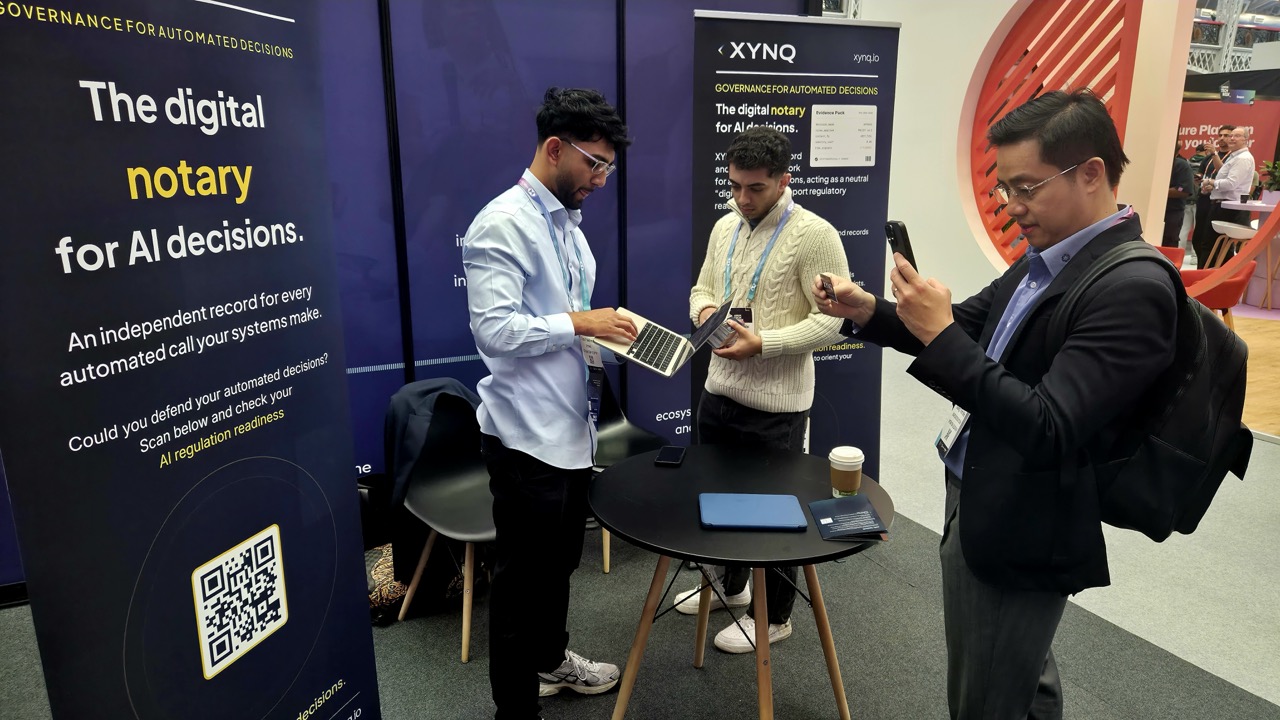
Before joining Techscaler by CodeBase, Leo already had traction, a proven ability to build an audience, and firsthand evidence of a real industry problem worth solving. Within three months of starting the company, a hackathon appearance had already generated £1 million in investment interest, and a two-year, funded project with a symphony orchestra was underway.
What he didn't have yet was the network and the investor-facing discipline needed to turn that early interest into a fundable company. Converting momentum into a structured raise meant learning how investors actually think, and building proof points strong enough to position a young, high-trust, regulation-heavy product for serious capital.
That's the gap CodeBase programmes were built to close, especially Techscaler: mentors who'd already raised and made the mistakes worth avoiding, and a cohort of founders moving at the same relentless pace Leo was used to.


Leo describes a pattern he sees in a lot of founders, including himself: coming in believing you already know most of the answers, then needing to run properly into a wall before a lesson truly sticks. He tuned into Techscaler's resources and worked through a good amount of the programme. When a genuine obstacle came up, say a customer pushing back on a feature, that's when he'd go looking for something specific, and the resource library was there exactly when he needed it, available any time rather than fixed to a schedule.
Leo is candid that this comes down to being hard-headed, a trait he thinks is common among ambitious founders. The perseverance to hit a wall, fail, and come back with the right question is, in his telling, as valuable as anything taught upfront.

That same directness shaped Leo's mentorship with Andrew, one of our entrepreneurs-in-residence. Andrew's advice was blunt: without revenue, Leo needed letters of intent to prove traction, and he needed to prioritise it above almost everything else. Leo took the advice into action and secured letters of intent shortly afterwards.
Leo has a similar instinct for reading a room of founders. He can tell almost immediately which ones are deep in their journey and which are still deciding if entrepreneurship is for them, and it's proximity to the first group, people moving at the same pace and treating the work with the same commitment, that made a tangible difference to his experience.
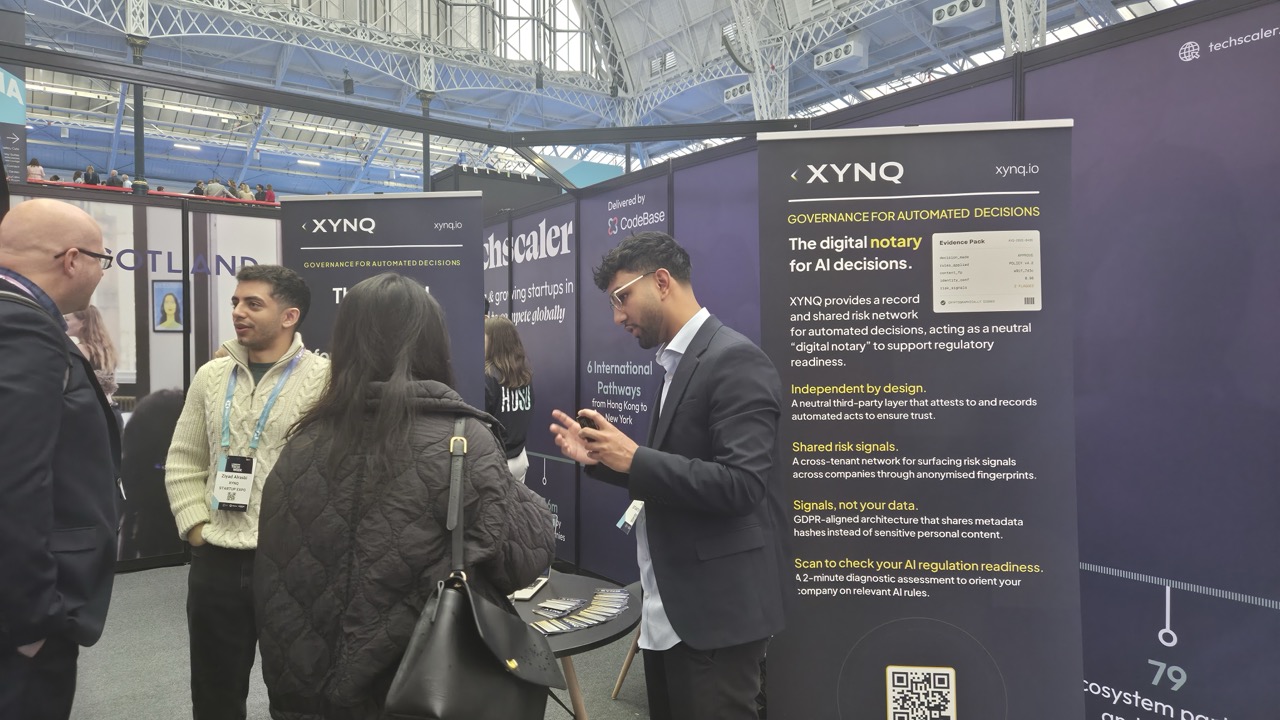
Techscaler also took Leo and seven other founders from Scotland to London Tech Week 2026, placing them in the coveted UK Tech Journey Zone.
Leo went in with a specific goal: generating sales leads and building a waitlist across multiple verticals. He came away having connected with potential customers, press, partners and ecosystem contacts, and with clear evidence of demand beyond XYNQ's core music market, particularly in finance.
XYNQ has secured letters of intent, is running a demo continuously, and has built a waiting list of investors ahead of a planned raise in October. In June, the company won first place in the Wild Card category at Scottish EDGE Round 27, securing a £15,000 grant.
XYNQ's advisory team now includes a former chief compliance officer of Credit Suisse, a blockchain engineer who has built and exited a company of his own, and a former chief of staff at Westminster who has since worked inside a blockchain start-up that raised £20 million. That kind of experience- government service, regulatory depth from a major global bank, and a fast-scaling start-up - gives XYNQ credibility with the institutions it needs to work with, and insight into mistakes those institutions have already seen founders make. Leo is preparing to expand into the United States while keeping the engineering team based in Edinburgh.


Techscaler, delivered by CodeBase, gave Leo a sharper sense of what investor-ready traction looks like, and the discipline to prioritise proof over polish. For other founders considering the programme, Leo's story is a reminder that ambition and confidence can be learned, and that the right community can turn an idea shaped by a personal setback into a company with serious international momentum.
Follow XYNQ on LinkedIn for updates on its expansion and upcoming raise.


.png)

.png)


.svg)