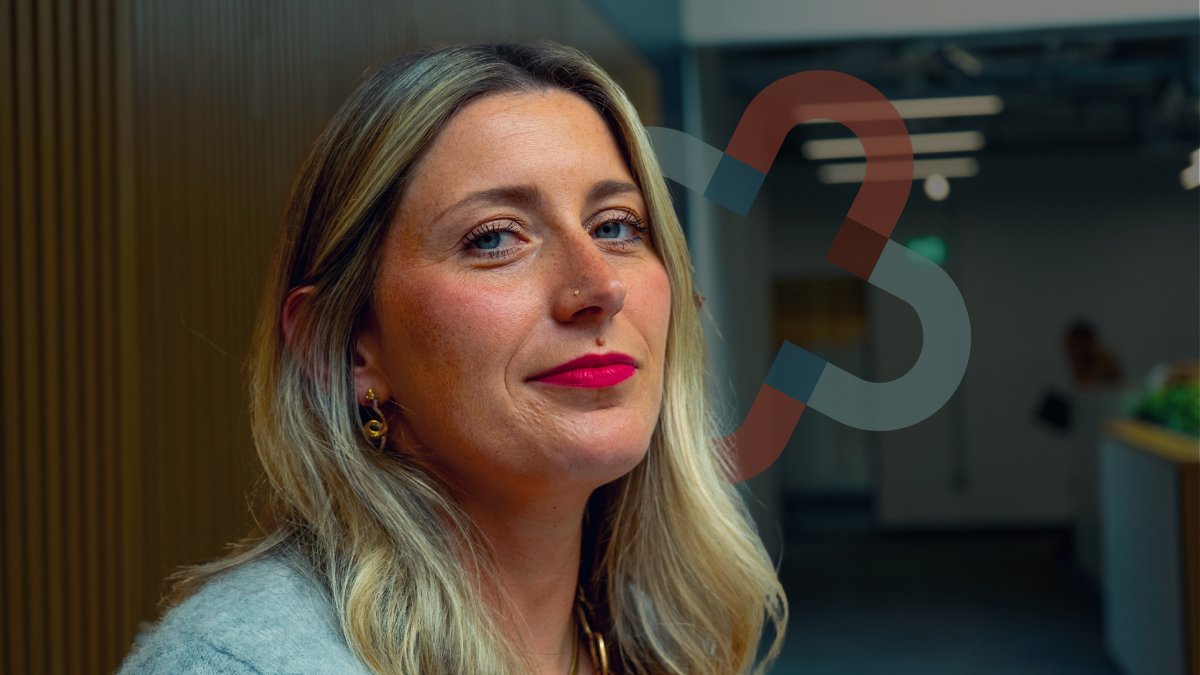

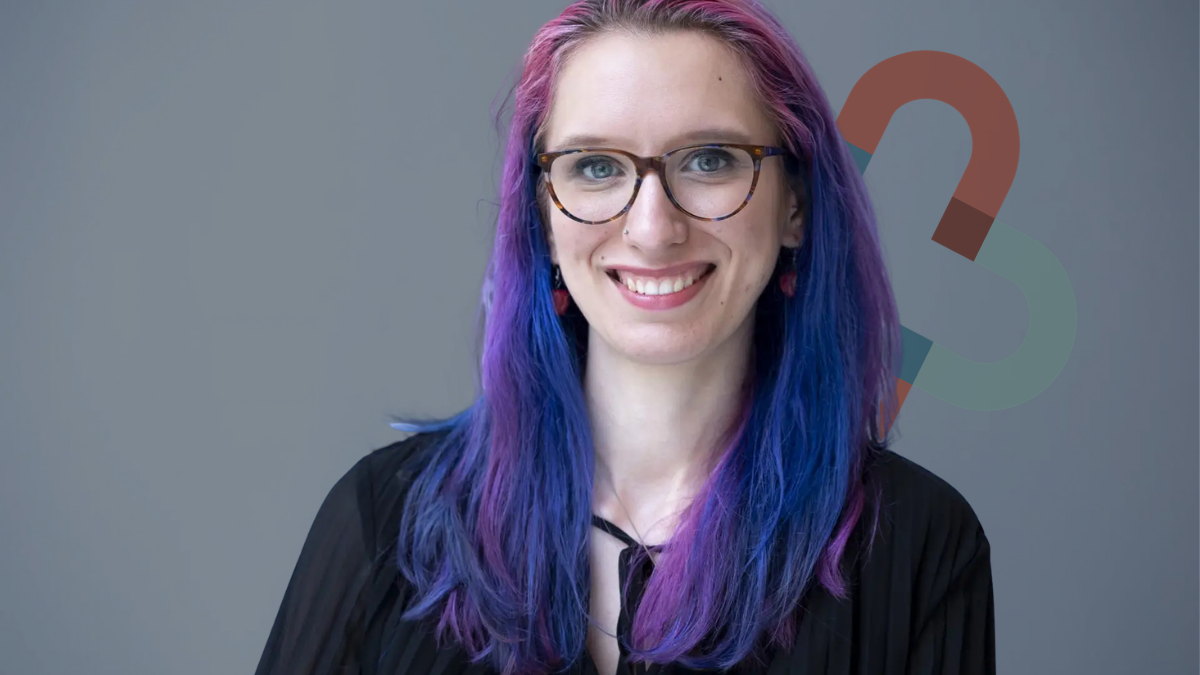
Neon Guard is a deep tech company building identity-free, continuous age intelligence: technology that lets platforms tell whether a user is a child or an adult without asking for ID or a face scan. Behind it is Chelsea Jarvie, a cybersecurity leader of more than a decade who researched anonymous online age assurance for her PhD at the University of Strathclyde and set out to commercialise it.
When we first spoke to Chelsea earlier this year, Neon Guard was working towards an MVP and preparing to raise pre-seed investment. In the months since, the company has taken its technology into closed-door meetings with some of the world's biggest tech companies and opened conversations with regulators, while Chelsea has started building the team around her.
Support from Techscaler, delivered by CodeBase, runs through that progress, from the Venture Builder Incubator to the Silicon Valley programme Chelsea completed in 2025 and the fifth cohort she joins this October.
This is a case study on a founder turning tough feedback into a sharper business.

After more than a decade in cybersecurity, building teams and advising boards, Chelsea started her PhD at the University of Strathclyde with a clear condition: the work had to matter in the real world. Her focus was anonymous online age assurance, a way to tell a child from an adult without asking anyone for ID or a scan of their face.
As a mum, she could see children growing up in digital spaces never built for them, and safety tools that traded one problem for another. Her research became Neon Guard, developed with ethics committee oversight and tested on more than 1,500 people globally. Now she's building it into a commercial product.
%20pitching.jpeg)
When Chelsea joined the Techscaler Silicon Valley programme in late 2025, she was still finishing her PhD, submitting her thesis from San Francisco. The technology was real and the mission was clear, yet much of the business around it remained unresolved. She was working out Neon Guard's market position and how a deep tech product would move through regulation, and she was doing it as a solo founder with no network in the Valley.
Her pitch sat deep in the findings of her research and asked a lot of anyone who wasn't technical. What Neon Guard needed was a room that would guide her in how to navigate that.


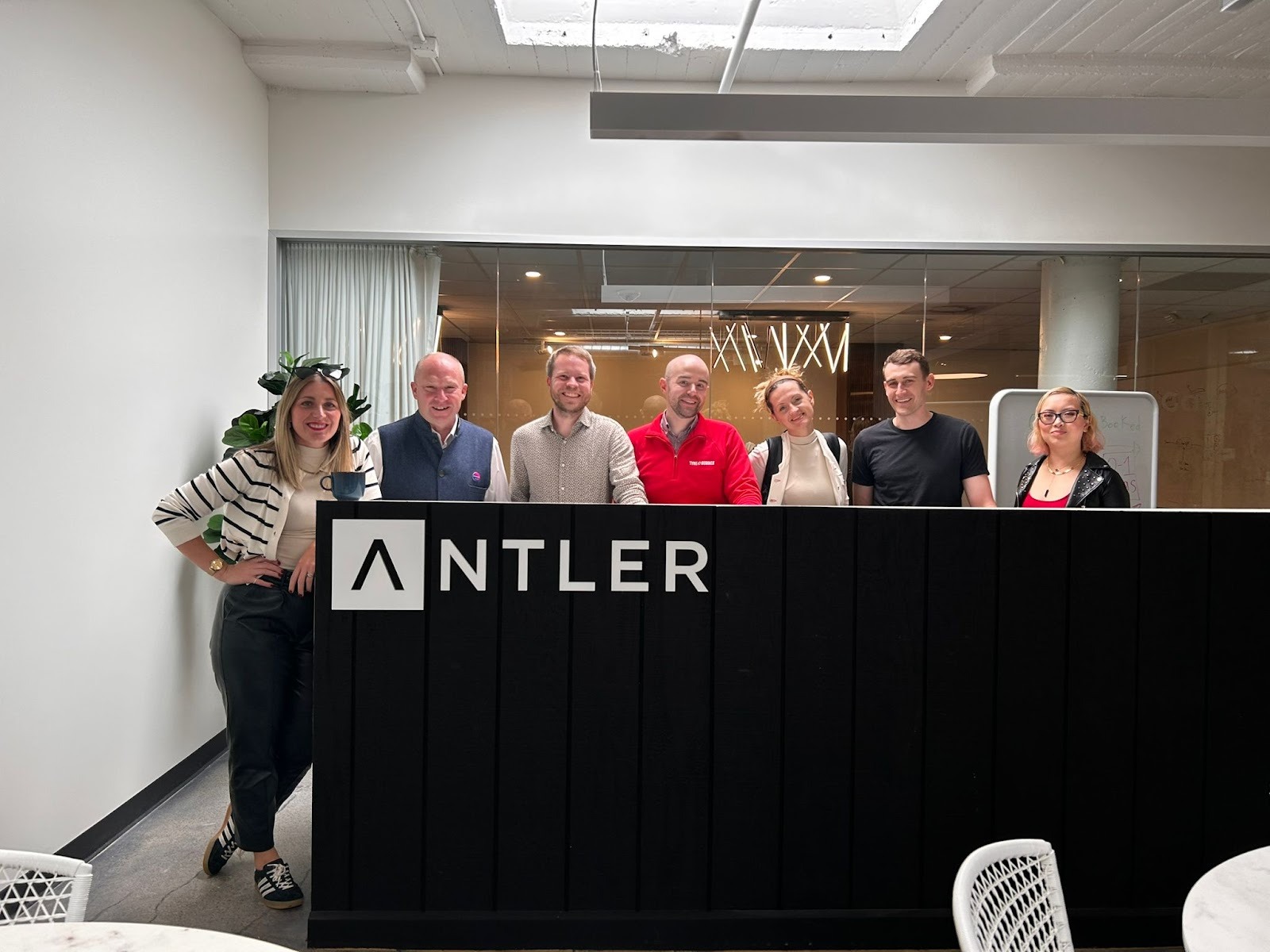
The Techscaler Silicon Valley programme gave Chelsea three weeks of full immersion, opening with TechCrunch Disrupt and then leaving founders to activate their own networks. She went out ambitious and excited about the PhD, and by her own account both she and her pitch deck got ripped to shreds. It was a hard lesson and a necessary one. The story was too technical, too embedded in her research findings, and it had to be brought up a level. The underlying technology never changed. What changed was how she thought about it and the gap she was trying to fill. She's clear Neon Guard is a different business for it.
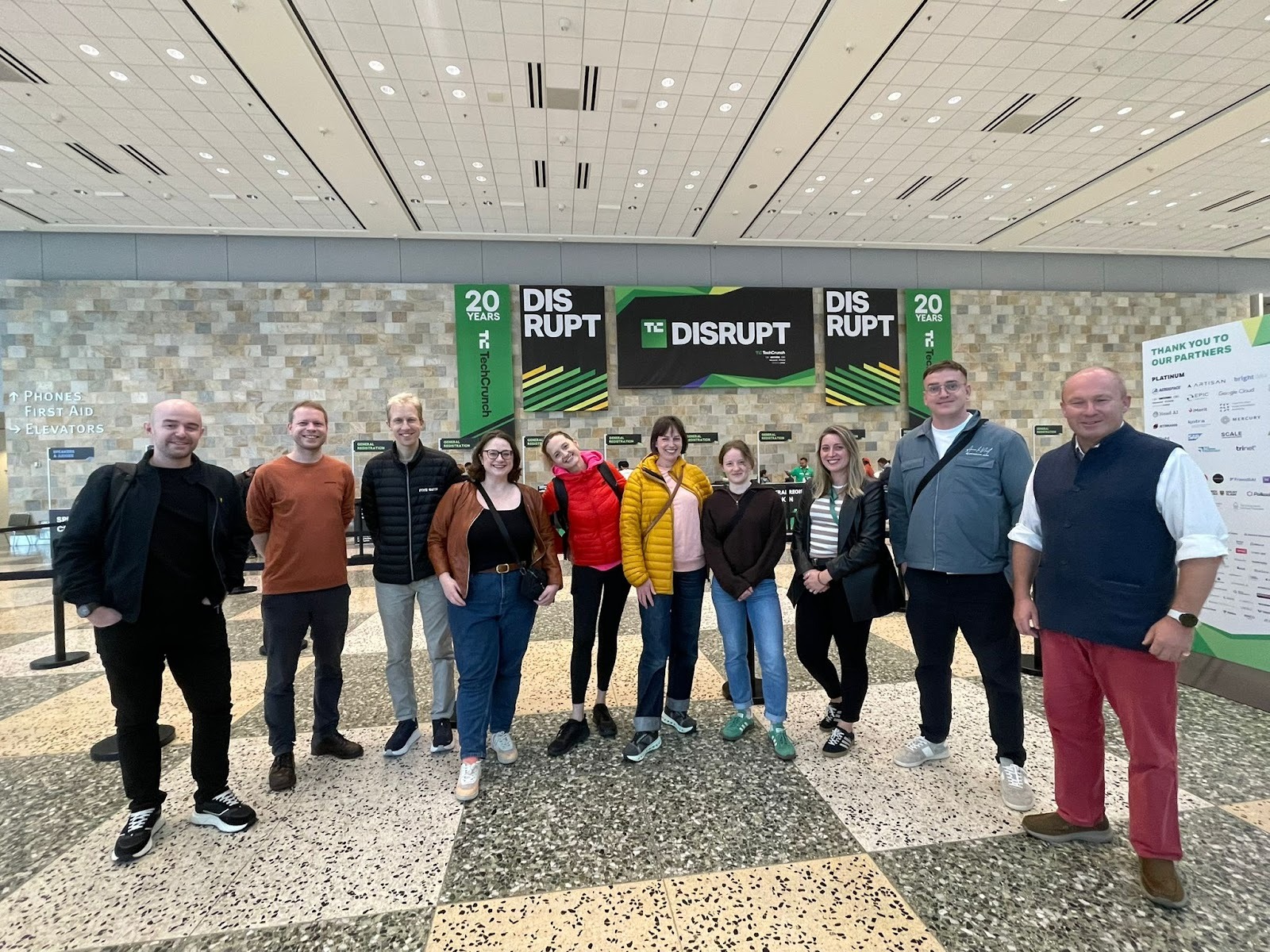
Silicon Valley, Chelsea discovered, runs on warm intros. First time round she did the networking the hard way. Those connections are now the ones opening doors ahead of her return with Techscaler's fifth cohort this October, and she's started the calls months early so the two weeks in San Francisco go on meetings already lined up.
The cohort became part of that too, and she still speaks to several of its founders, swapping voice notes with one on the ups and downs of founder life.
Back home, Entrepreneurs in Residence Hannah Mercer have been her sounding board, giving her insights into raising investment and taking products to market. She calls that invaluable for a first-time founder still learning what she doesn't yet know.
Neon Guard is, as Chelsea puts it, has a completely different story from the one she took to Silicon Valley. With a brand consultant, she moved the story away from the technology and towards its impact on kids and adults online. The question she hears now is why we don't already have this.
The product has moved too. Where the PhD produced a static age gate, Neon Guard now builds for what comes after it: continuous age intelligence that keeps asking whether the person on a device is the same person, and whether they might be a child. Neon Guard took that into closed-door meetings with some of the world's biggest tech companies at the Global Age Assurance Standards Summit, and is talking to the ICO and Ofcom. A Chief of Staff and technical contractors have joined, building towards an alpha pilot targeted for Q4 2026.


Chelsea's advice to researchers weighing commercialisation is unambiguous: get the research out. Look early at how big it could be, and if it's global, think about funding beyond the UK. For anyone building alone: build a network of founders you trust, then be selective about whose advice you act on.
Neon Guard's story shows what founder-led support from Techscaler, delivered by CodeBase, looks like when it continues past a single trip. Follow Neon Guard on LinkedIn for updates on the alpha pilot and Silicon Valley.



.svg)