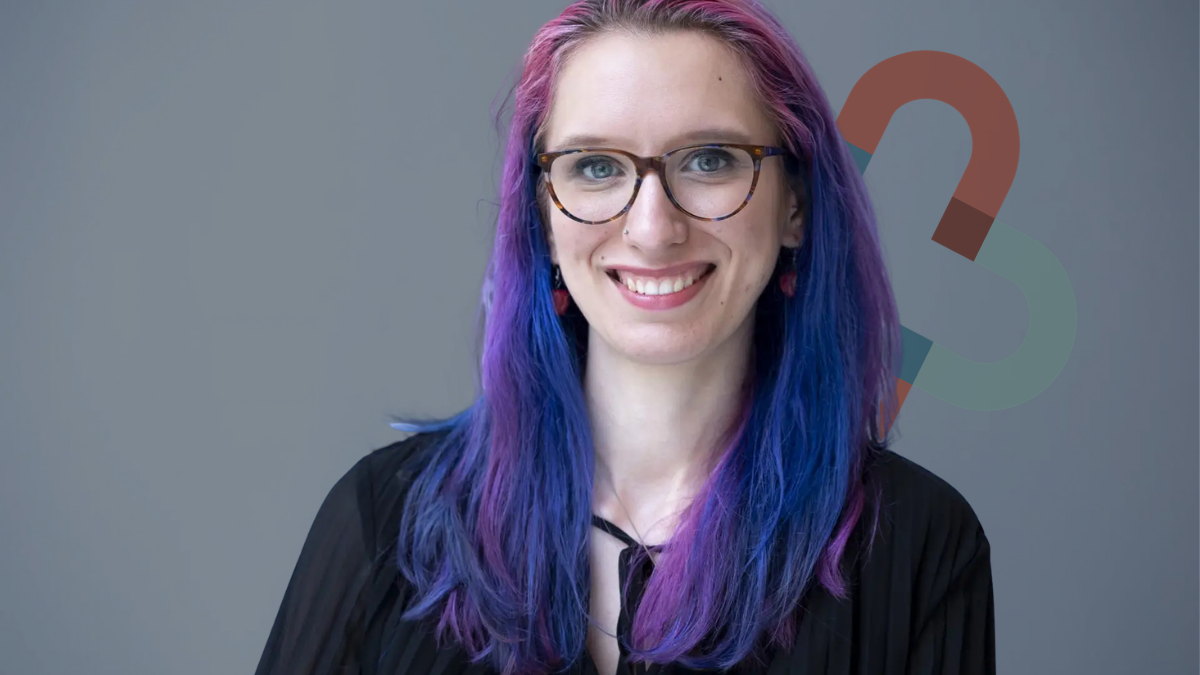
Seluna builds AI diagnostics for children in neurology. The company takes data that hospitals already collect during sleep studies and processes it so that doctors can reach a diagnosis more efficiently, beginning with paediatric sleep apnoea.
At the centre of the technology is co-founder and CTO Dr Yola Jones, a machine learning engineer with a PhD in precision medicine. She leads a team that builds every model from scratch in-house, which keeps Seluna's data owned and protected and allows strict governance over privacy and security. That matters a great deal when the patients are children.
A 500-patient clinical validation study with NHS Greater Glasgow and Clyde, completed at the end of 2025, showed that Seluna's current models perform as well as human experts.
Yola is a member of Techscaler, delivered by CodeBase, and has joined its Singapore programme and its cohort at Dublin Tech Summit 2026.
This is a case study on building trustworthy technology with users at its centre, and on choosing support that fits the founder.
Yola describes herself as born an engineer. Both her parents are nurses, and her father's long NHS career came home with him as stories about technology bought for staff that did not suit how they worked. Those conversations gave her a lasting interest in whether tools meet the needs of the people using them, and they steered her towards a PhD in precision medicine followed by a year working in the NHS.
Her co-founder, Scott, had identified paediatric sleep apnoea as a problem doctors were asking to have solved. Yola calls it the perfect storm, with a clear market and the chance to build around real users from the start.
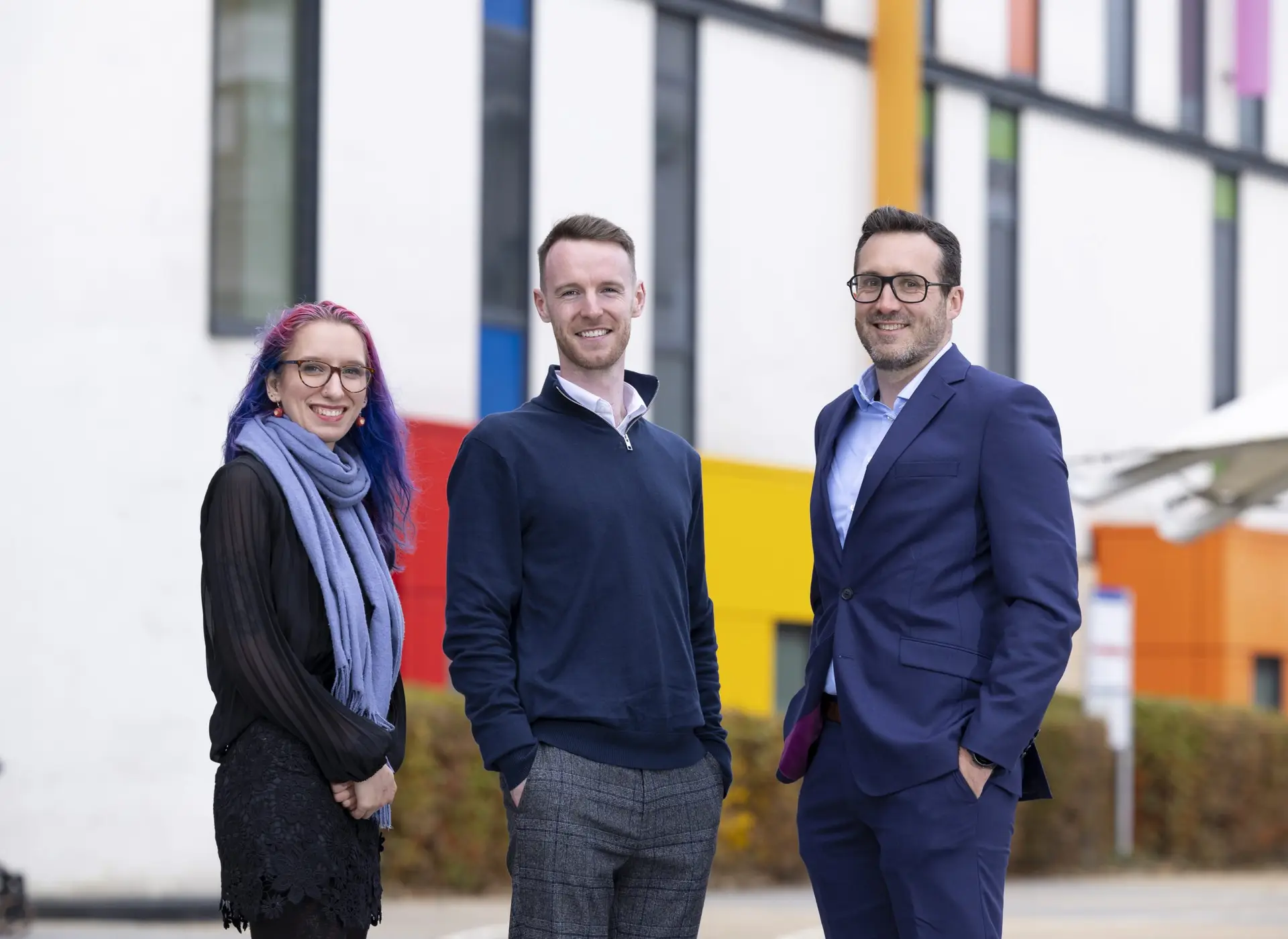
Seluna runs on a clean division of responsibility. Scott leads the commercial side, often in the US with customers, while Yola leads technology and the day-to-day management of the team. As Yola puts it, neither wants the other's job, so the two rarely contest the same decision.
That clarity also meant Yola was the only senior technical person in the company. She was confident in her decision-making, yet every big-picture technical call rested with her. Before Techscaler, she was looking for peers who could hold a detailed technical conversation and for a route to specialist knowledge.


.jpeg)
In autumn 2025, Yola was one of ten founders on Techscaler's three-week Singapore programme. The format was deliberately open, with no prescribed route through the trip. When someone at an event matched what a founder needed, the CodeBase team made the introduction and then widened it to the rest of the cohort, which gave everyone a diverse range of contacts. Often one of the only purely technical people in the room, Yola used that freedom to find where she fitted, and having the CodeBase name behind her made new conversations easier to start. For Yola, the most valuable part was the SWITCH conference, which gathered technical people in one room to talk through shared problems and gave her the kind of peer conversation she had been looking for.
.jpg)
Singapore showed Yola that machine learning teams everywhere are working through the same questions of trust and compute, and it put her in touch with people solving them in ways she would otherwise never have encountered. She also saw how differently each region procures healthcare technology and how much networking customs vary, which convinced her that entering APAC well will require someone on the ground who knows the medtech sector.
In May 2026, Techscaler took Yola to Dublin Tech Summit, where she spoke on the Accelerate Stage alongside CodeBase COO Richard Lennox. Conversations there about databases and cyber security gave her a clearer view of the specialist companies available, and she remains in contact with people she met.
Seluna now has the evidence that underpins everything else. The 500-patient clinical validation study with NHS Greater Glasgow and Clyde showed its models perform as well as human experts, and the team is extending its work from sleep apnoea towards neurology as a whole.
Yola's role has grown with the company. A team of machine learning engineers now builds the technology, and much of her time goes to conversations with partners and specialist providers across regulation and security. She credits Dublin Tech Summit with showing her how valuable that side of the job is.
The next 18 to 24 months have a defined shape: Seluna is working towards a secure, validated software platform with an API connection and continued improvement of its models. Commercial traction comes next, with the UK prioritised first and the FDA pathway in the US in its sights.


Yola's advice to founders weighing up a programme is to be introspective first, knowing what they need and what the programme will ask of their time. Techscaler, delivered by CodeBase, suited her because its support bends around the individual founder and stays consistent. To founders from academic backgrounds, she adds that they know more than they think, and that learning from people with different experience pays off.
Follow Seluna for updates on its clinical validation work and expansion beyond sleep apnoea.


.png)

.svg)